Working in visual effects and animation
Interested in working in the field of visual effects and 2D-3D animation? Discover this creative and innovative sector
Interested in working in the field of visual effects and 2D-3D animation? Discover this creative and innovative sector
Dive into the captivating world of visual effects and animation with these two-minute videos that highlight exciting and creative careers at the very core of the industry!

Becoming a technical artist
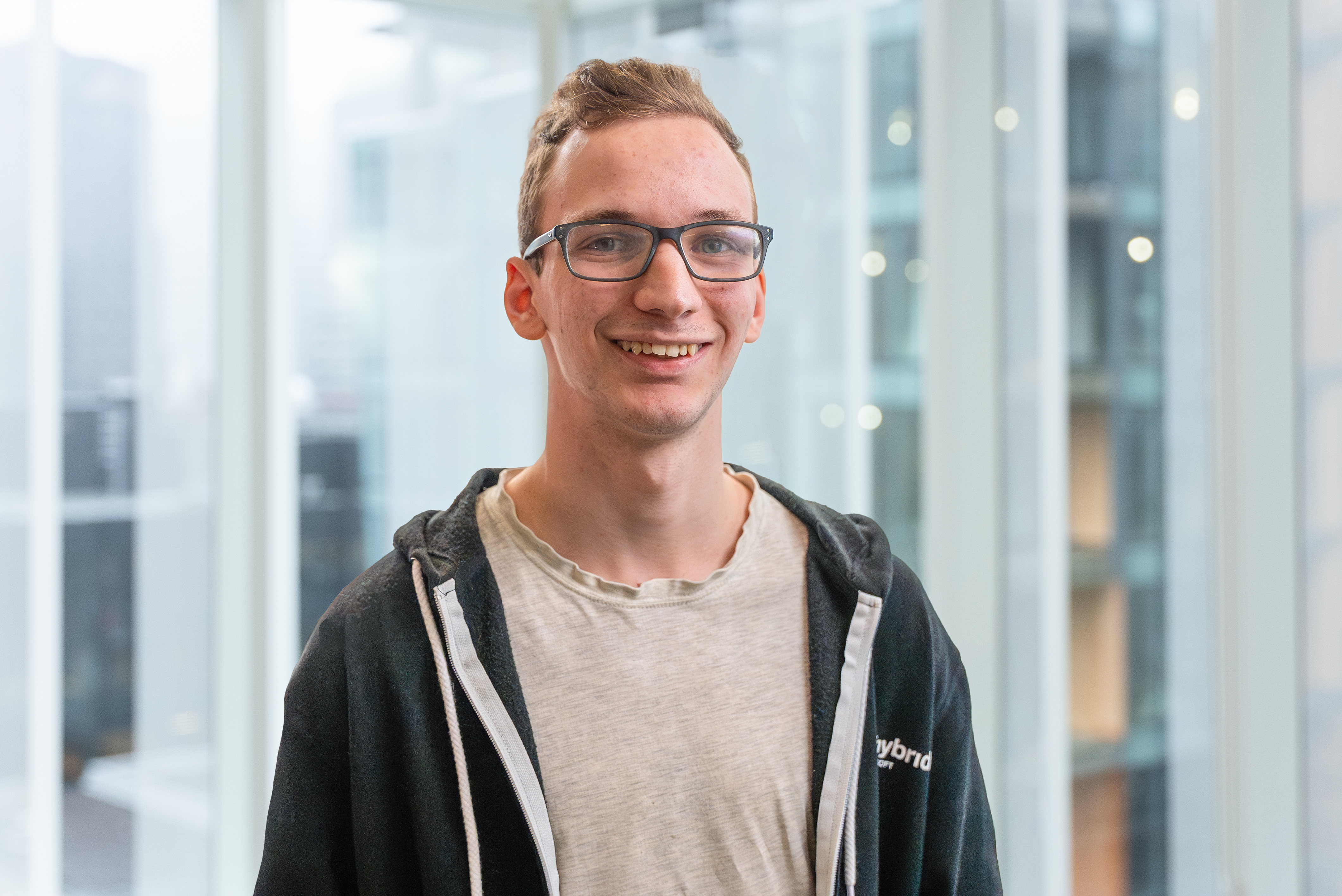
Becoming a tracking artist
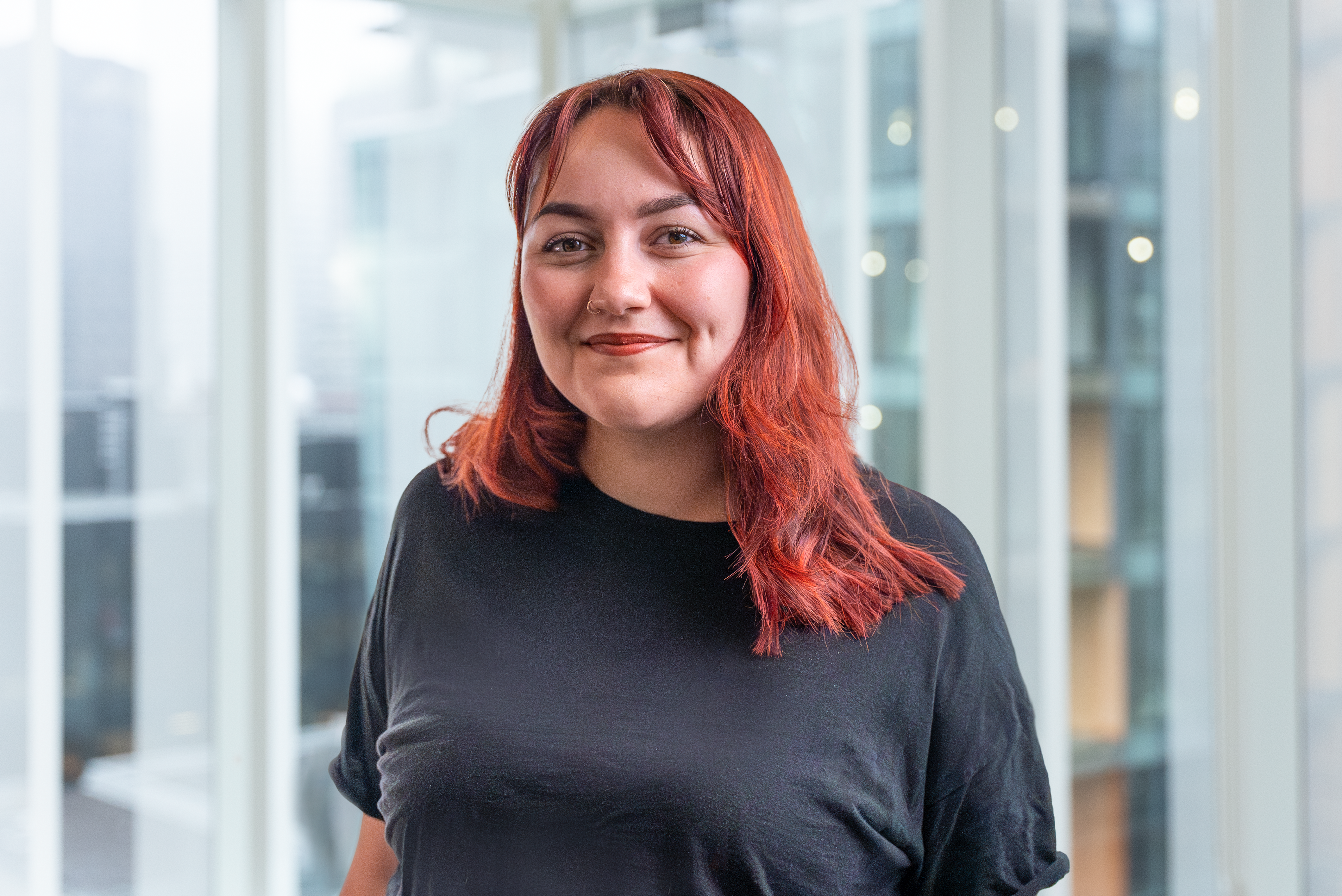
Becoming an 3D environment artist

Becoming a 2D/3D Animator
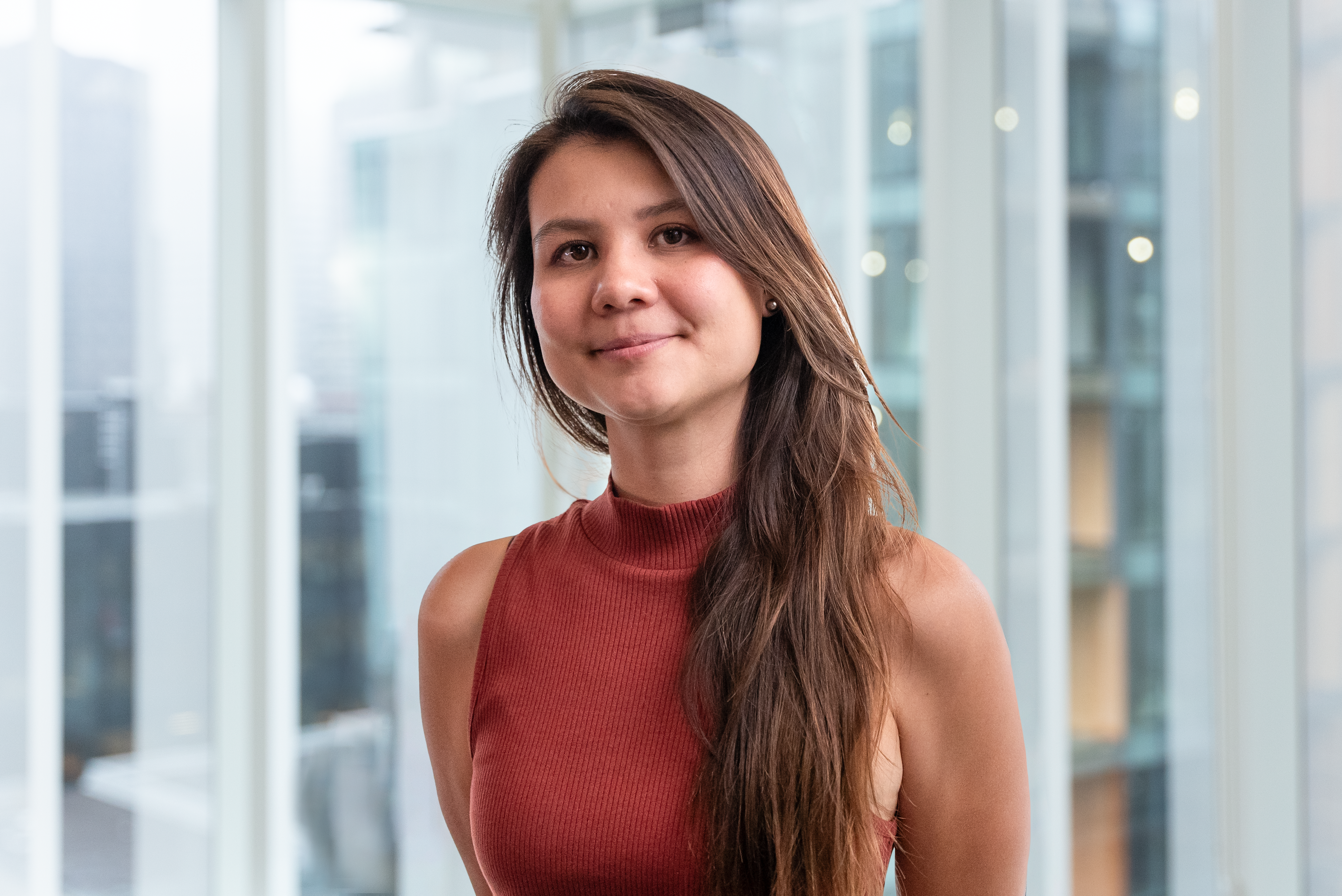
Becoming a surfacing and texture artist
Discover the unique and distinctive career paths of professionals in the visual effects and animation sector who are passionate about creation and technology.
Is it possible to work in the visual effects and animation industry without being an artist? Absolutely! Explore employment opportunities relating to the six major job categories in this dynamic industry.
Artistic
Design, scriptwriting, direction, and project design and finishing touches.Development, programming, and technical support
Tool and software development, data science, and production pipeline optimization.Management and production
Task and schedule planning, budget and production schedule monitoring, and customer service.Administrative support, communications, marketing, and distribution
Promotion, market entry, and legal, financial, and logistical issues.Human resources
Talent development and mobilization, compensation, recruitment, and employment loyalty.Artificial intelligence
Process automation, data management, machine learning, creation of self-managed databases, and creation of generative AI tools.
Québec is one of the world’s leading centres for visual effects and animation production. Its audiovisual industry is one of its key economic drivers. Over the years, Québec’s favourable business environment has enabled the development of a world-renowned industry that has had a profound impact on the economy, generating billions of dollars in economic spinoffs for the province.
More than 40 studios
2,603 people employed in the industry
Average yearly salary: $85,723
Median employee age: 34
Source: 2024 statistical study conducted by KPMG for the Quebec Film and Television Council (QFTC).
Specializations in VFX and animation are diverse and depend on production type. Throughout your career, you may work on different production pipelines, be it for films, series or advertising. These specializations involve specific creative techniques.

<strong>Modelling</strong>
This is the stage where 3D objects or characters are created, enabling the components of a shot to be given form and volume. Modelling requires mastery of 3D creation and design tools along with artistic and technical expertise.
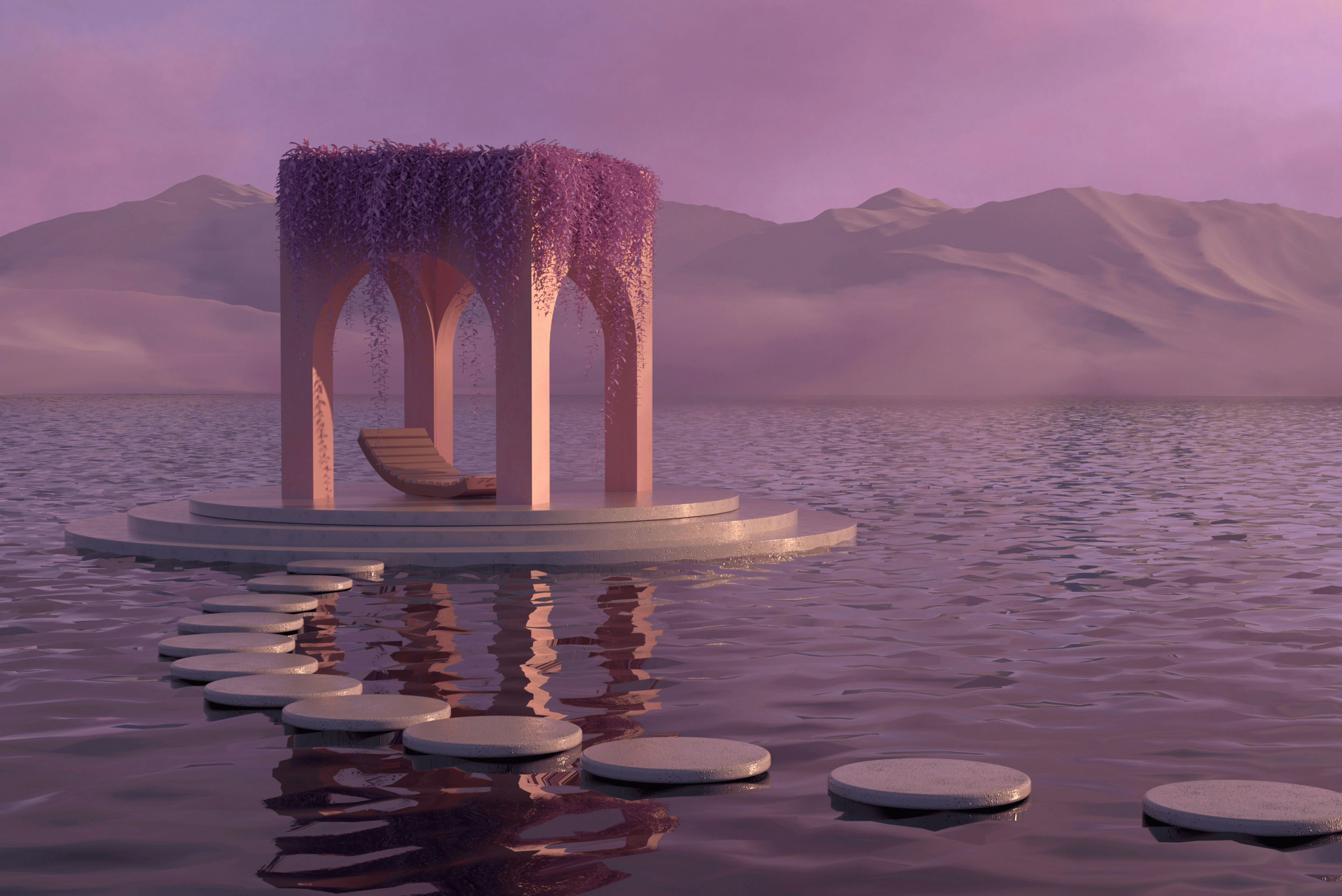
Creating environments
Creating 2D and 3D environments enables the development of digital landscapes designed to serve as highly artistic and visually realistic or stylized settings and backgrounds.
Textures, surfaces and lighting
Design of textures, surfaces, and lighting on 3D object models makes use of rendering techniques to create 3D objects with unusual surfaces (for example, shine, transparency, relief, and so on) appear realistic under specific lighting conditions.
Rigging
Rigging of a 3D model allows its constituent parts or organs to be articulated for animation purposes. This step comes after the modelling of a character or object so as to create a 3D skeleton with a view to establishing a control system (known as a rig) to animate it.
2D animation
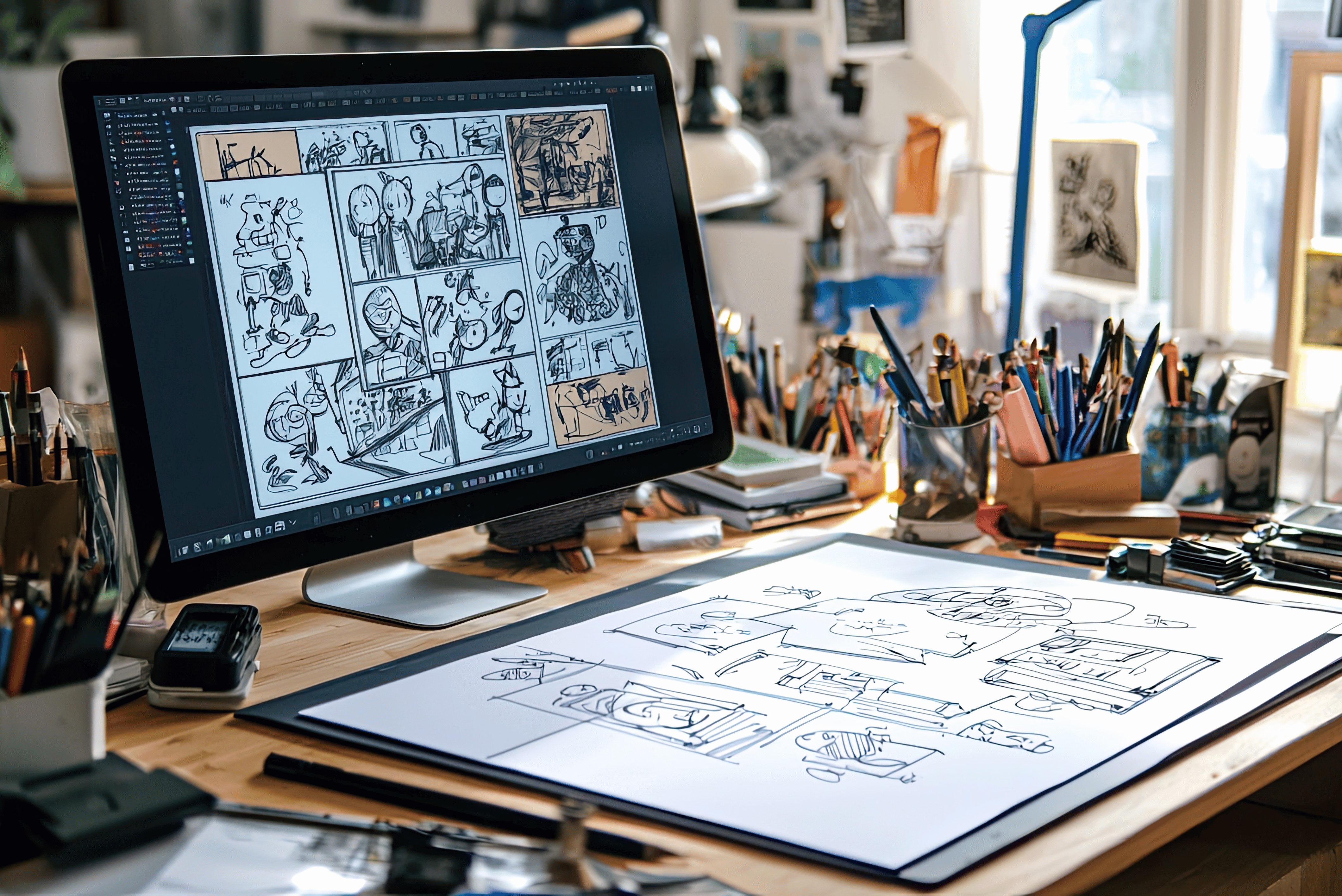
2D animation involves drawing images one by one to create movement, as in cartoons. Today, it is often done on a computer using specialized software. Stop motion is a 2D animation technique in which figurines or real objects are moved and photographed frame by frame to create a smooth animation when these images are displayed sequentially. As an example, Le Village enchanté (1955) is Canada’s first 2D animated feature film. It took five to six years to paint the 60,000 images for this 62-minute film.
3D animation
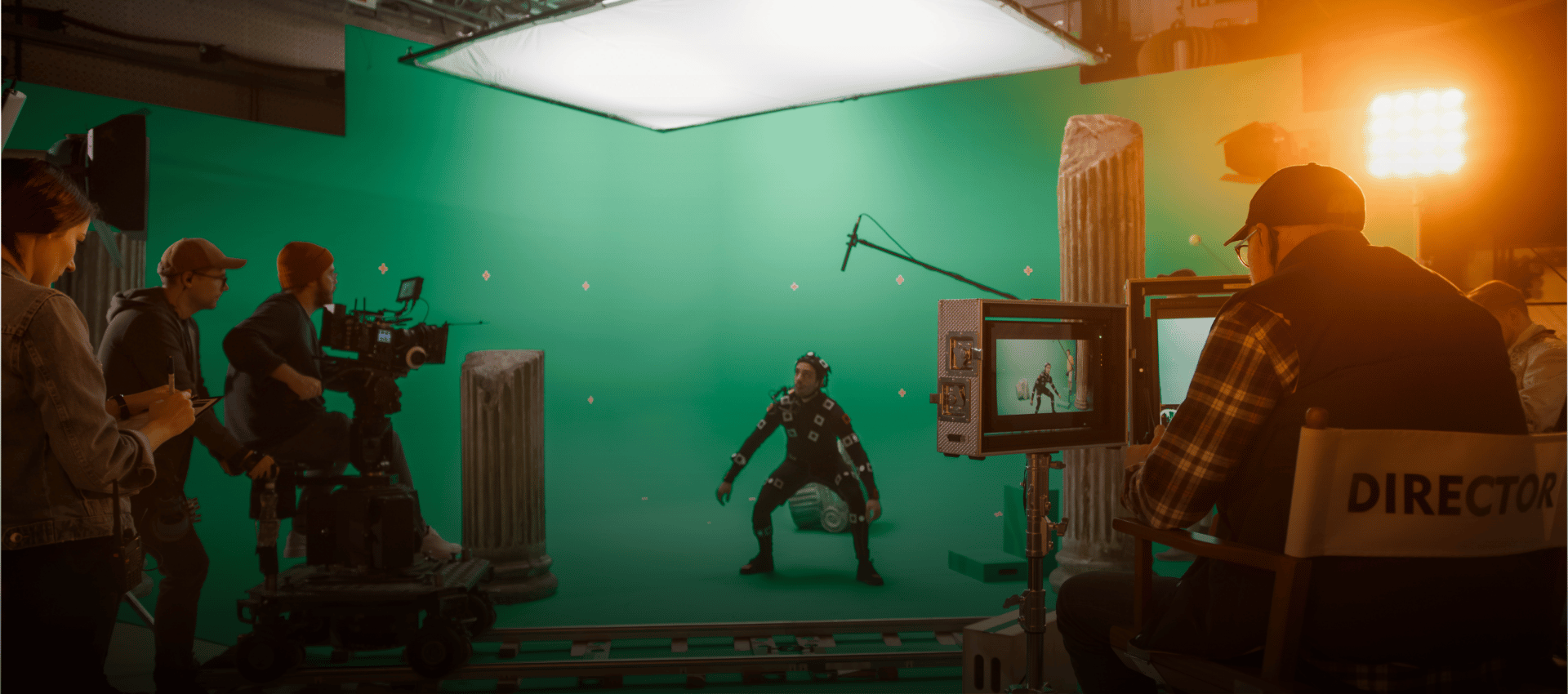
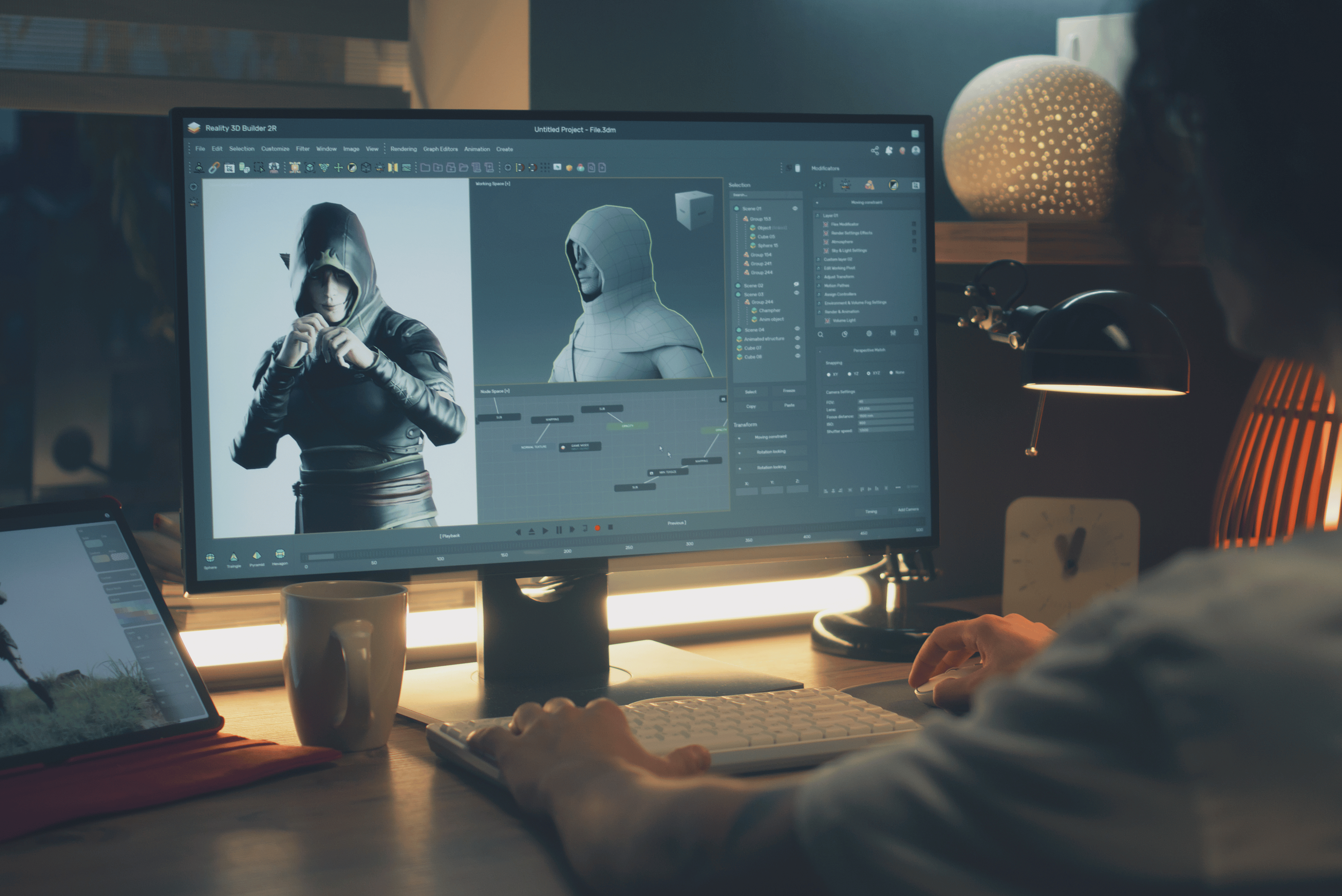
3D animation creates digital models to bring characters, objects, and settings to life in three dimensions. It can be done using Keyframe technology (frame by frame), giving the animation a highly artistic feel or through motion capture (Mocap). Motion capture is one of the techniques used in 3D animation. It involves recording the movements of an actor equipped with sensors and transferring them to a 3D model, resulting in more realistic animation. As an example, Montréal studios such as Game On and Beyond Capture Studios provide high-quality motion-capture services for international projects.
Compositing
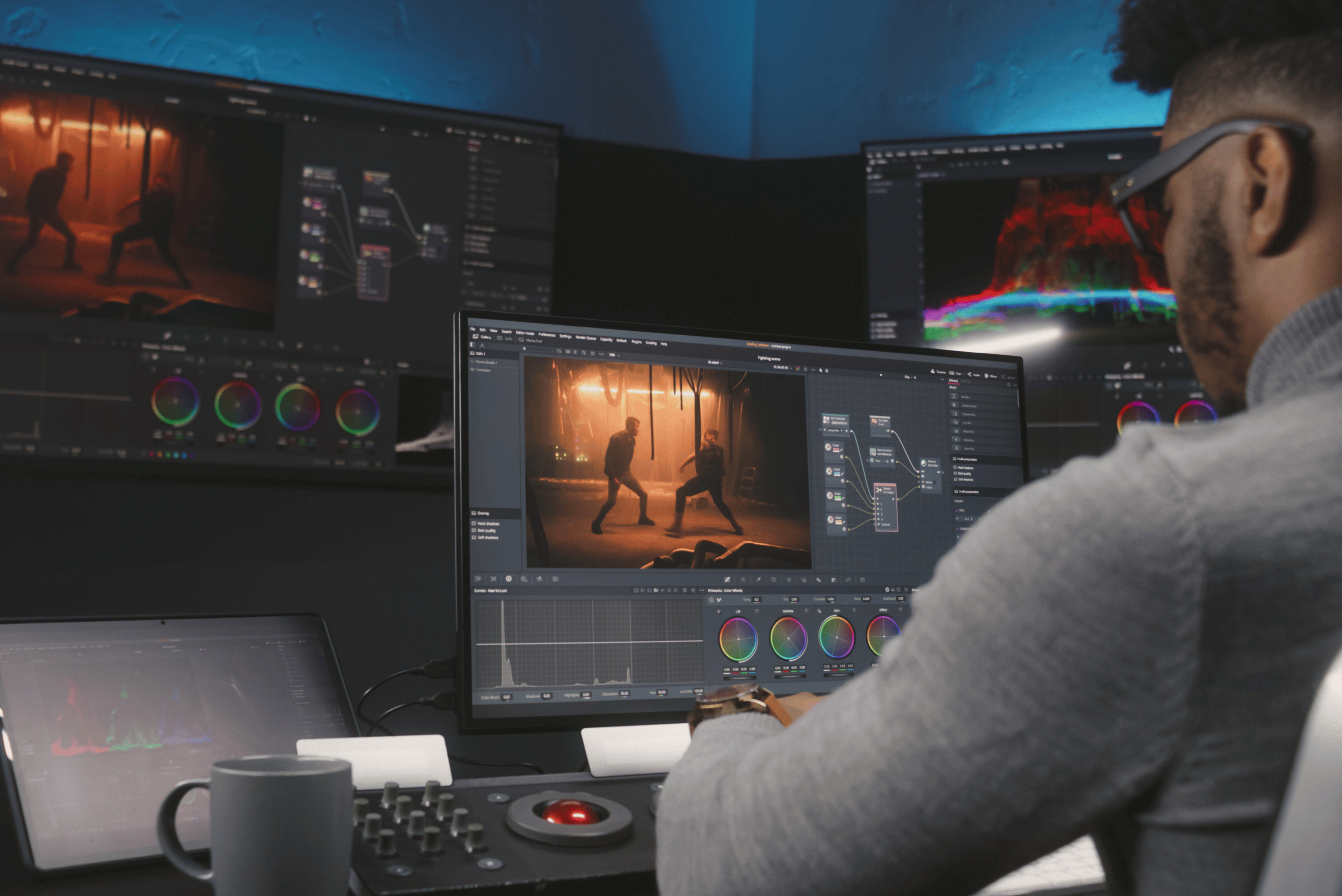
Compositing is one of the final stages in creating a film. It is used to put together the various components designed to make up a shot and calibrate the colours and the various 3D components and those filmed on a green screen. These are only the main steps among many that are necessary to produce a 3D or VFX film. View the career directory to find out more.
Visual effects and simulation
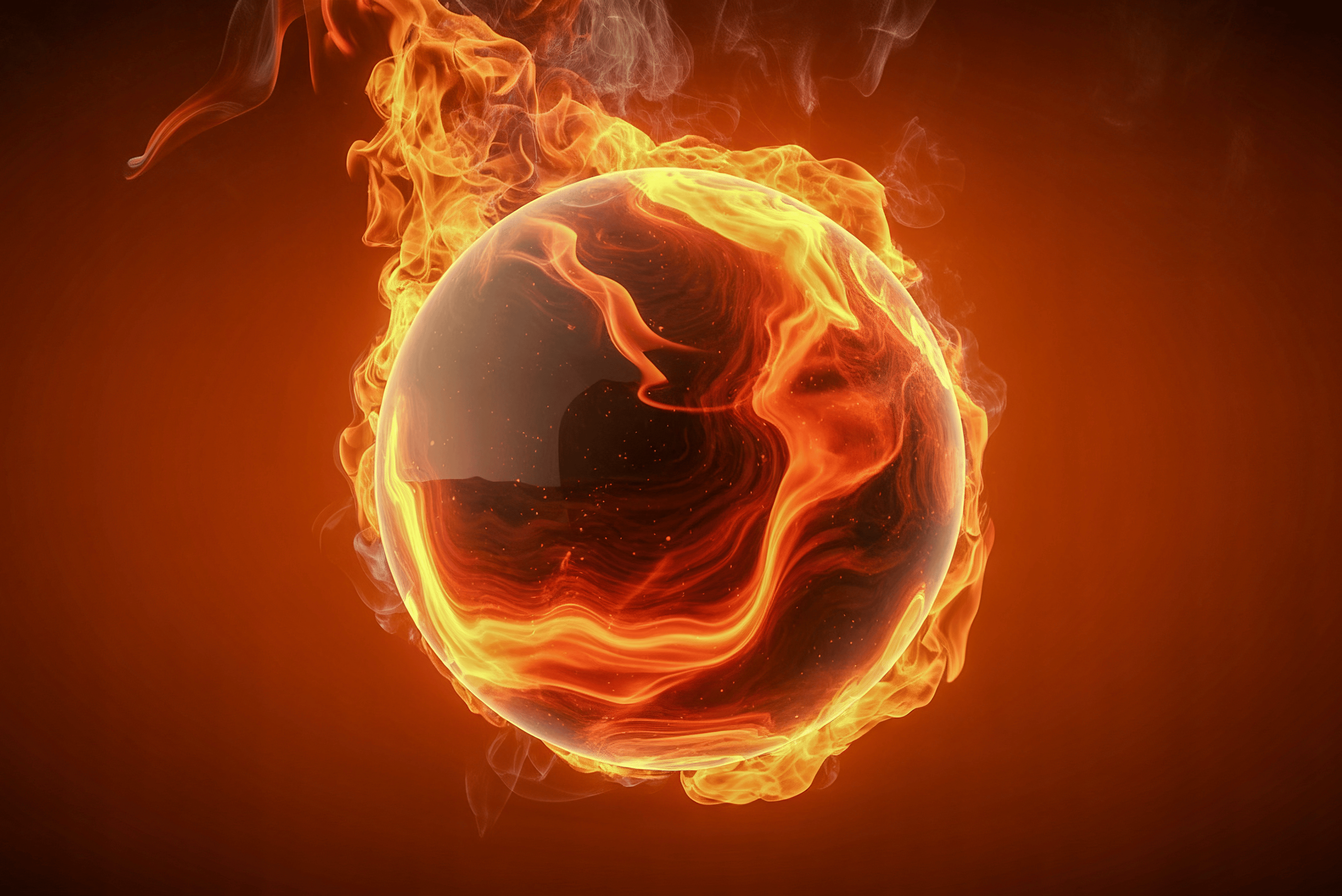
This involves the creation of visual effects (digital special effects) such as explosions, smoke, water, and organic environmental effects (for example, fur, hair, lava, and more). As an example, The film Dune won the Oscar for Best Visual Effects in 2022 and 2025, showcasing Québec’s expertise in creating various spectacular effects, including the giant sandworm.
In 2022–2023, Québec had more than 6,500 artists and creators, with more than 150 projects completed. Since 2024, the number of employees has decreased, and the sector has experienced a slowdown.

Dune
Directed by renowned Québec filmmaker Denis Villeneuve, Dune benefited from Québec expertise in visual effects, including Rodeo FX and DNEG studios, and won the Oscar for Best Visual Effects in 2022 and 2025.
SNOWTIME!
A mere eight days following its release, this Québec classic hit the million-dollar mark. The quality of the animation by Singing Frog Studio, despite a modest budget, and the universal appeal of the story made this film a remarkable success at the box office throughout the province.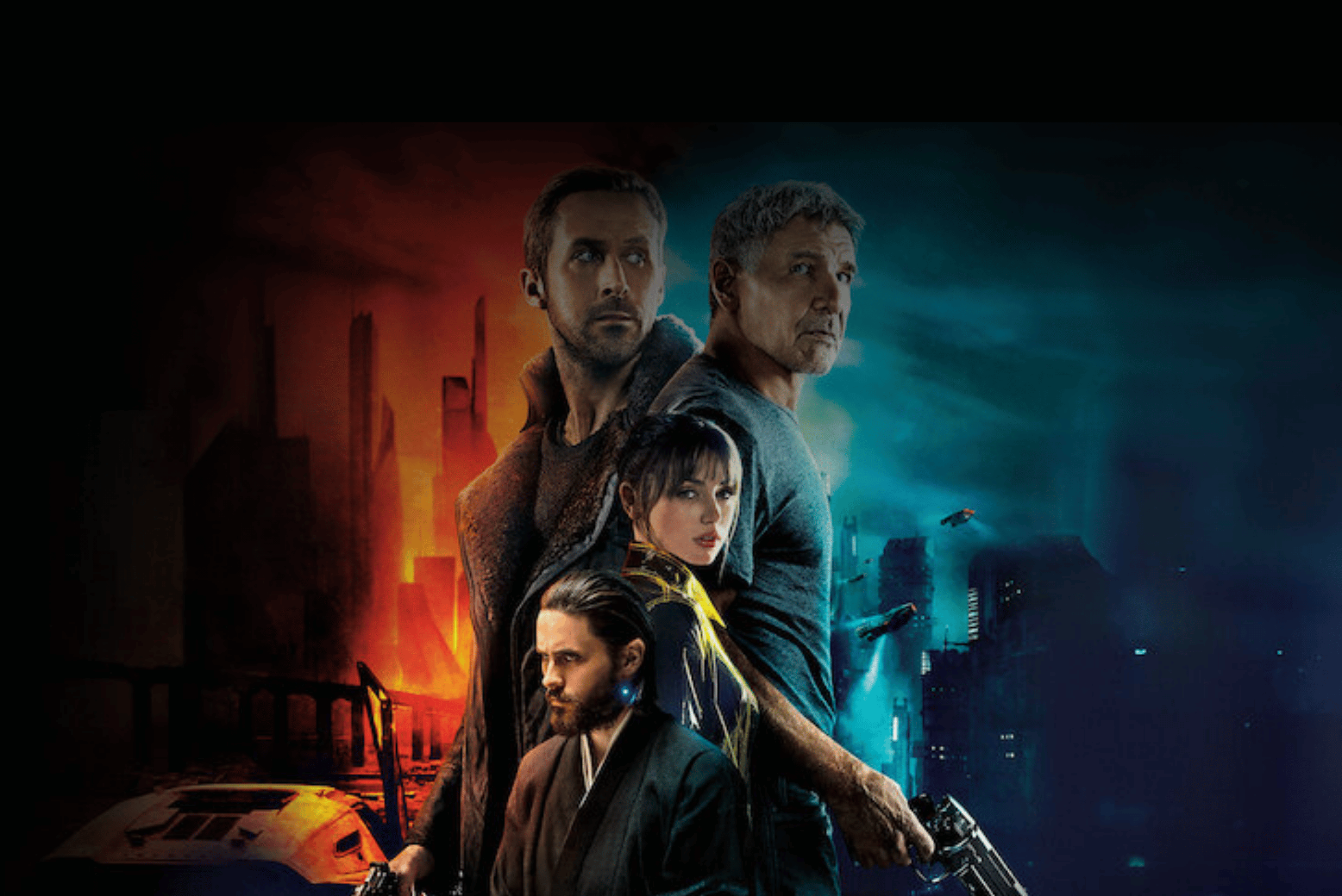
Blade Runner 2049 and 1917
Québec studios Framestore and Moving Picture Company (MPC) were instrumental in creating the visual effects for these two blockbuster films. In 2018 and 2020, these films won Oscars for Best Visual Effects, highlighting the quality of work produced by Québec studios.


.jpg)