
Working in video games
Interested in working in the field of video games? Discover this creative and innovative sector
Interested in working in the field of video games? Discover this creative and innovative sector
Artistic
Design, scriptwriting, narration, direction, game design, gameplay and optimization of graphics components and scenery.Development, programming, and technical support
Tool and software development, data science, and production pipeline optimization.Management and production
Task and schedule planning, budget and production schedule monitoring, and customer service.Administrative support, communications, marketing, and distribution
Promotion, market entry, and legal, financial, and logistical issues.Human resources
Talent development and mobilization, compensation, recruitment, and employment loyalty.Artificial intelligence
Process automation, data management, machine learning, and creation of AI tools.
 Credit: Ubisoft Montréal
 Credit: Behaviour Interactive
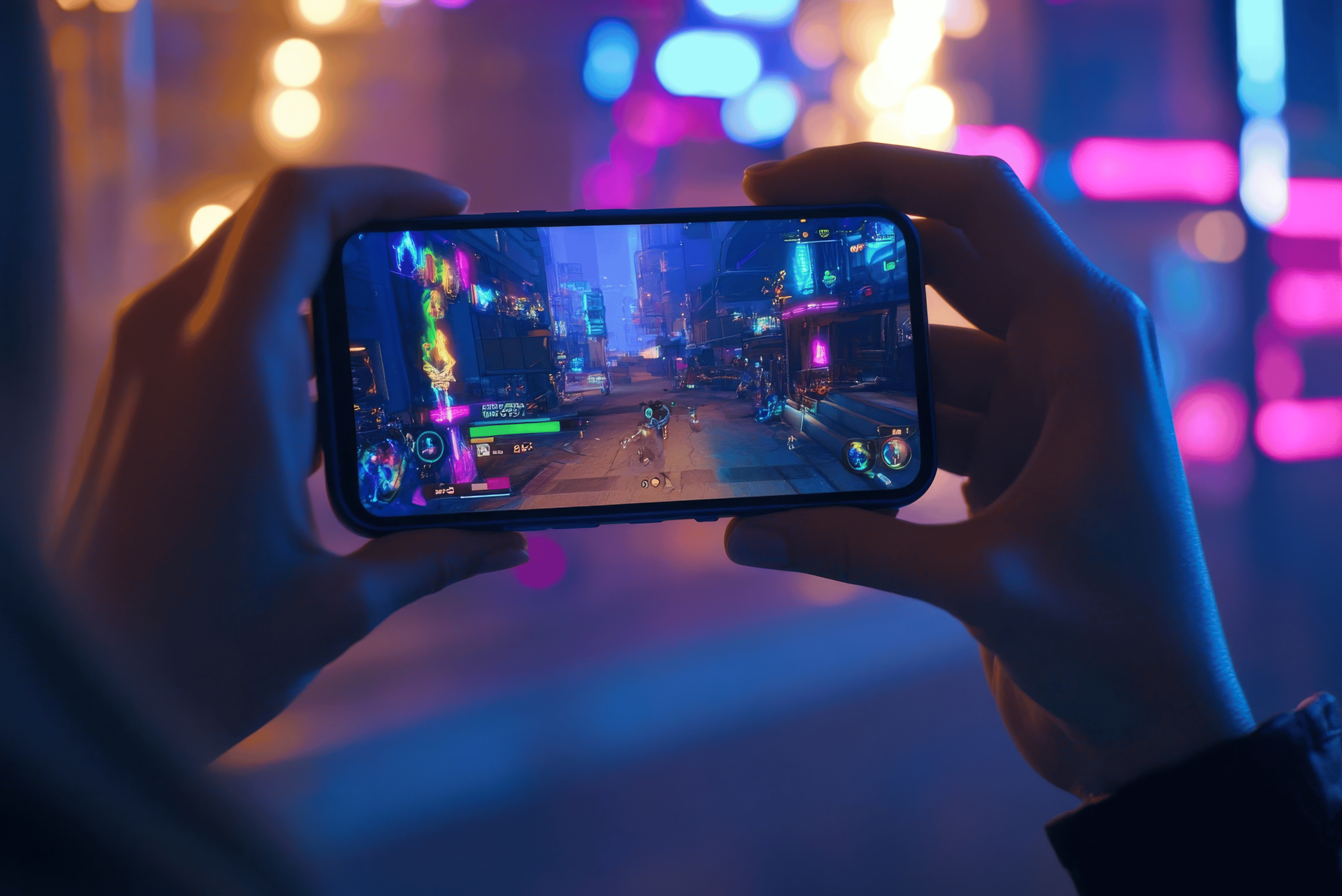
<strong>Mobile games</strong>
Fun applications on phones and tablets generally feature simple, intuitive interfaces with straightforward gameplay mechanics as well as short but highly engaging sessions that help these applications remain in use for several years. For game-revenue models, designers opt for the “free-to-play” (F2P) system with micro-payments (small financial transactions) that provide benefits, aesthetic enhancements or accelerated progression.

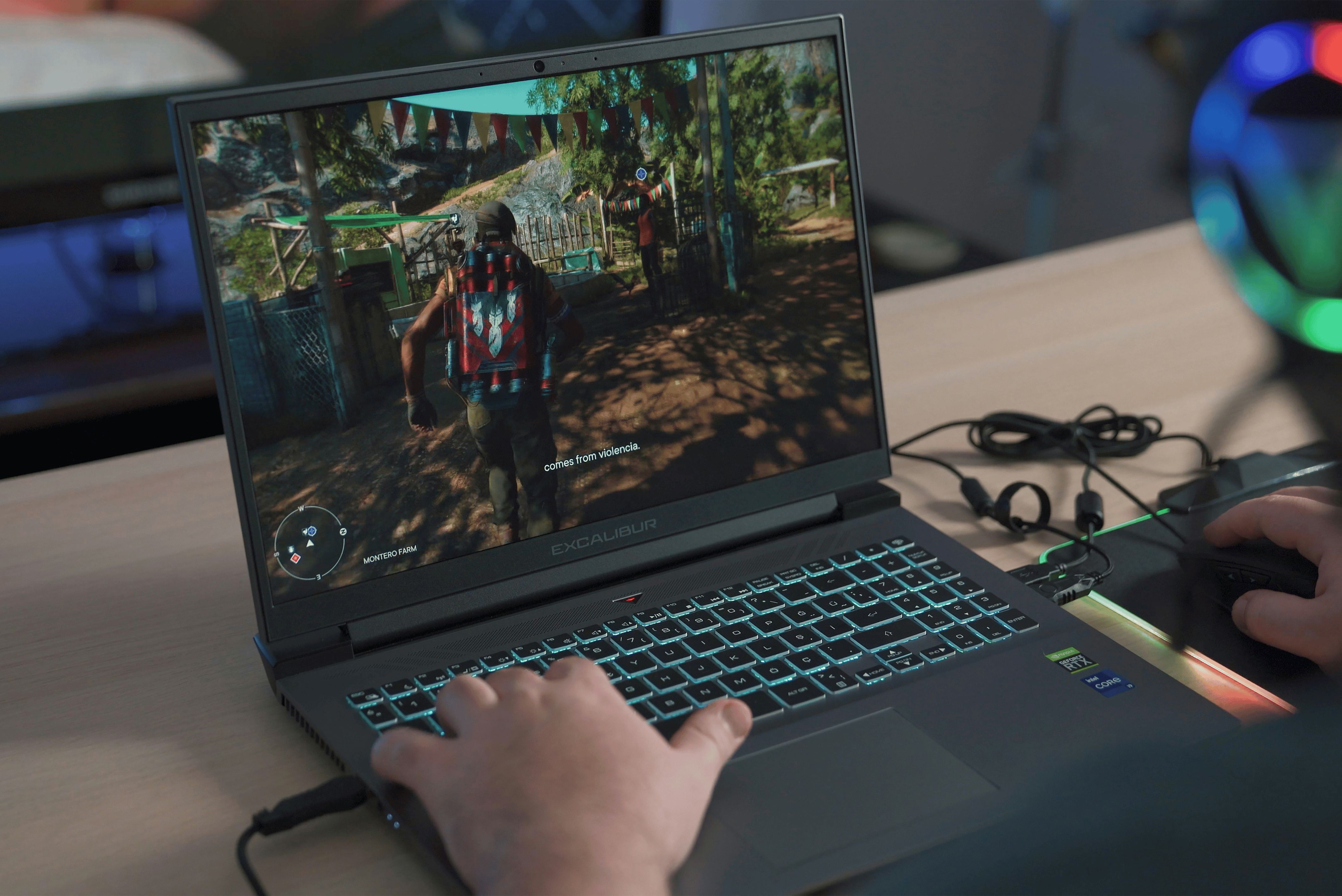
<strong>PC games</strong>
PC games offer powerful, customizable image-rendering and quality, which can accommodate a broad range of equipment and devices (GPUs, specific hardware interfaces, keyboards, mice, and so on). Unlike console games, no special licence is required to develop them. These games, however, can be adapted to offer optimized content similar to console games. They can be distributed on various platforms such as Steam, Epic Games Store, GOG, itch.io, and more.
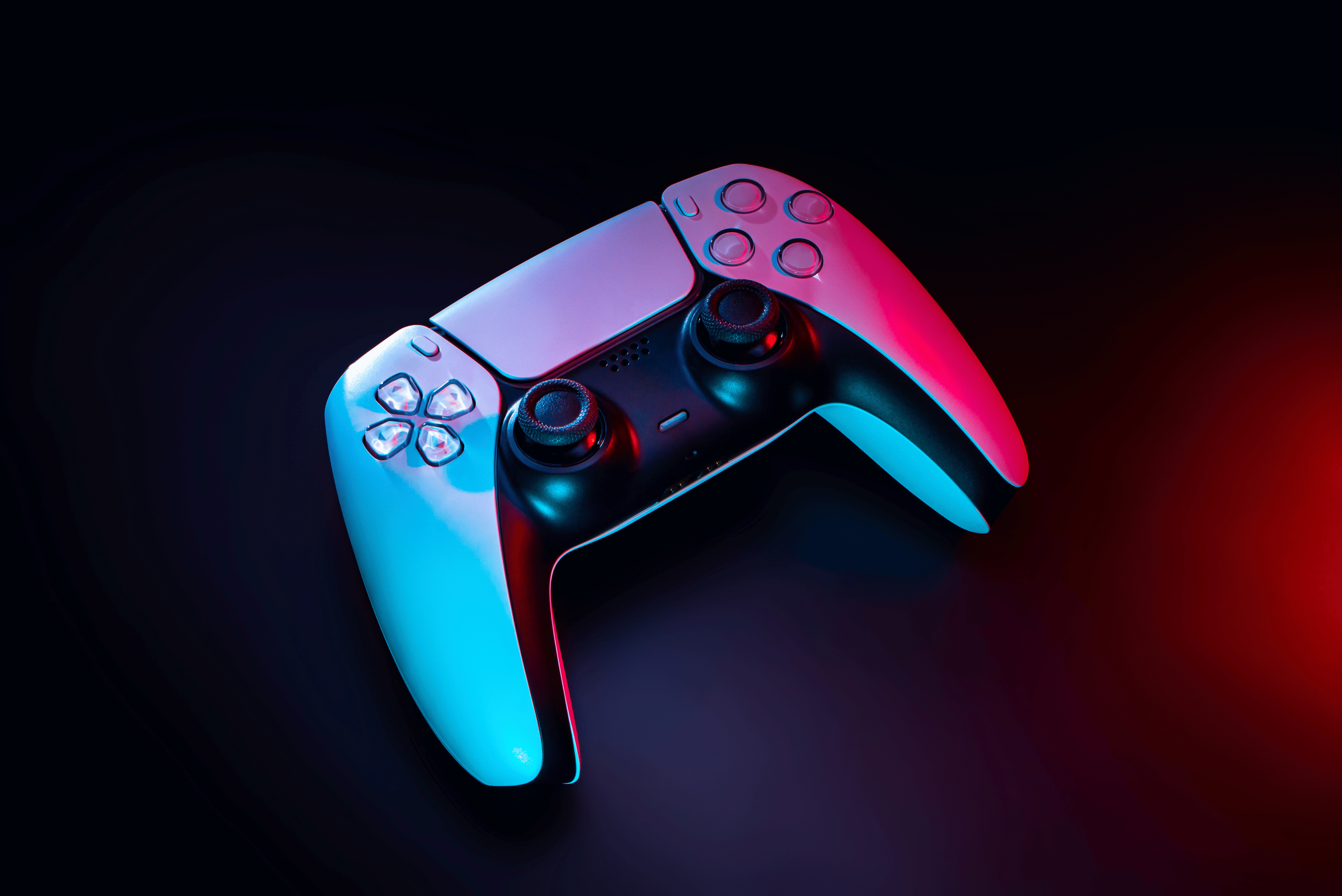
<strong>Console games</strong>
Console games deliver optimized gaming experiences along with dazzling graphics. Each console offers a unique, standardized hardware configuration through the use of a controller for a complex, powerful gaming experience. Unlike PC games, console games, originally called home console gaming, require developer licences. A rigorous certification process must be undertaken by the console manufacturer to satisfy retailer compliance tests. The use of specific development kits (SDKs) provided by Sony, Microsoft, Nintendo, and others, is required.

<strong>Virtual reality (VR) games</strong>
VR games allow you to play games in the same genre (role-playing, action, simulation, and more) as other types of games. They enable you to immerse yourself in 3D worlds by wearing an Oculus Quest, HTC Vive or PlayStation VR headset. These types of games track player movement and spatial interaction to create a fully immersive experience.

<strong>Augmented reality (AR) games</strong>
AR games encourage professionals to transform the world into as real a playground as possible. For technology enthusiasts, AR invites you to superimpose interactive digital features onto the real world, using the device’s cameras and sensors.

<strong>Cloud gaming</strong>
Cloud gaming or game streaming offers a great graphics experience and is revolutionizing the way games are played by making them accessible from any connected device. Developers must overcome technical challenges, such as latency and multi-platform optimization, as they face connectivity, server-deployment, and power constraints.

<strong>Handheld console games</strong>
Handheld console games require a perfect balance between high-quality graphics, battery life, and connectivity for simple yet captivating gameplay. An ideal platform for fans of mobile gaming! Just like home consoles, handheld systems are subject to specific manufacturer specifications.
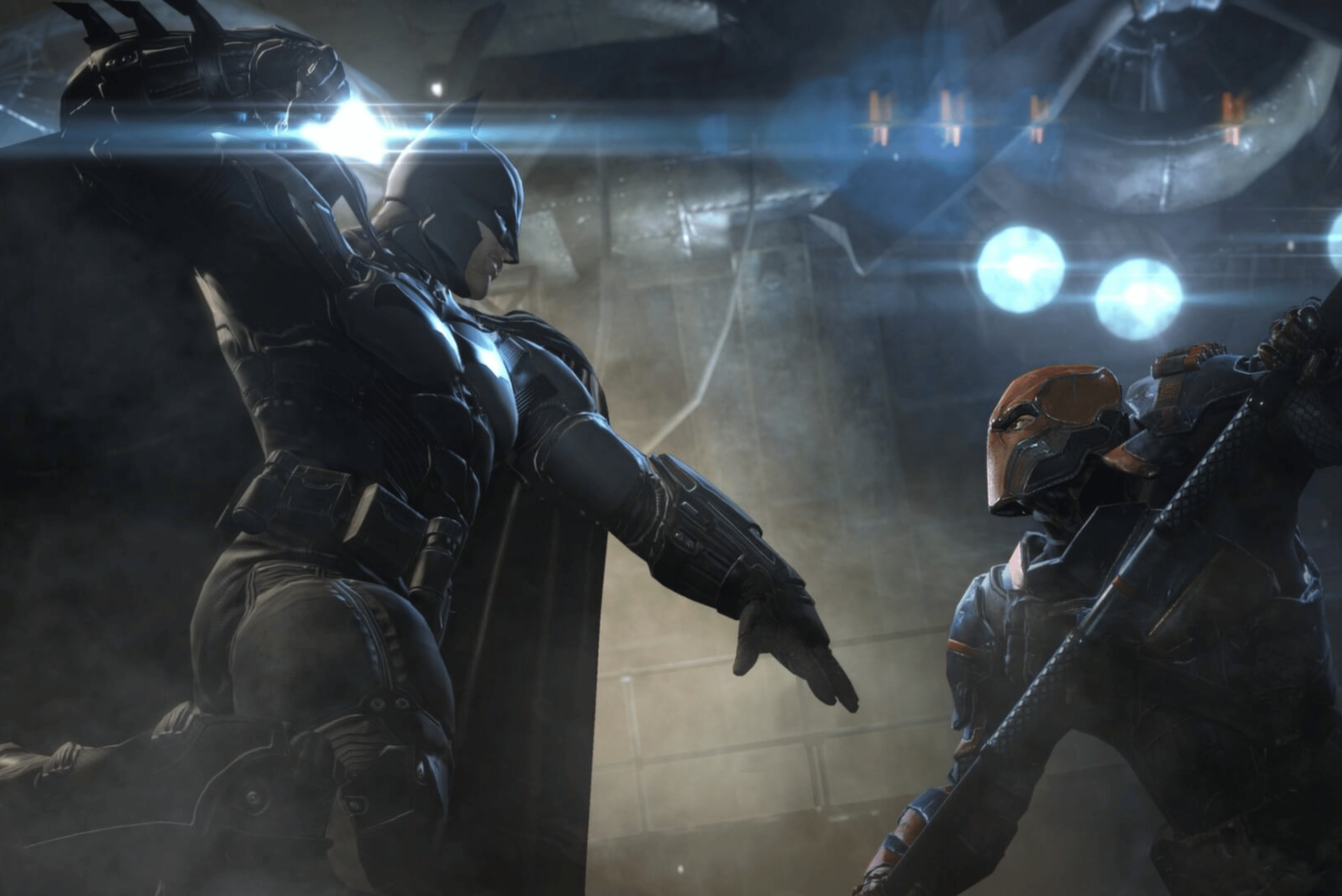
<strong>Action games</strong>
Action games emphasize reflexes, coordination, and snap decision-making. They generally allow direct character control. For those who love adrenaline, challenges, and quick reflexes.
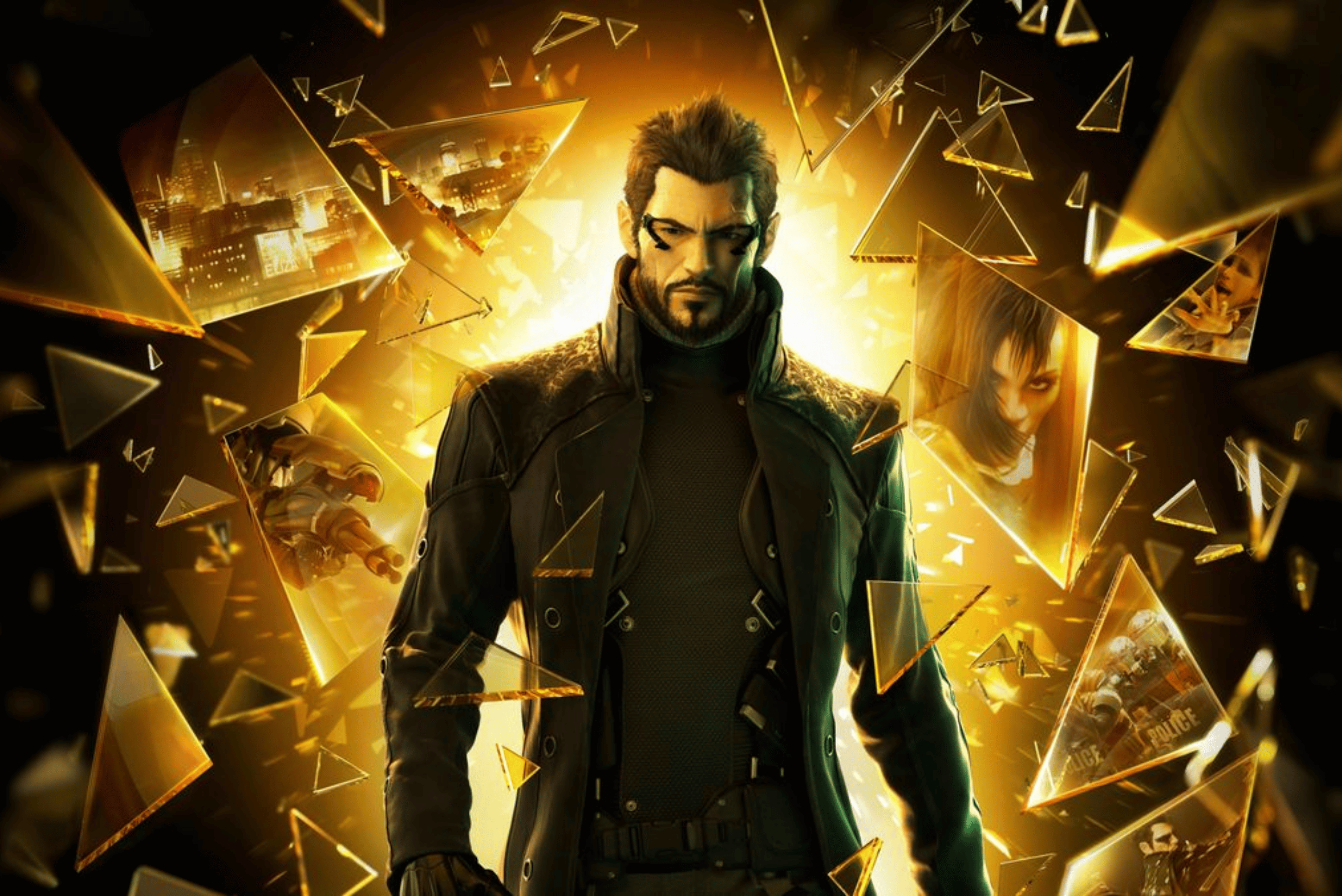
<strong>Role-playing games (RPGs)</strong>
RPGs focus on the progression of a character or group through a story, often featuring quests, combat, moral choices, and customization systems.
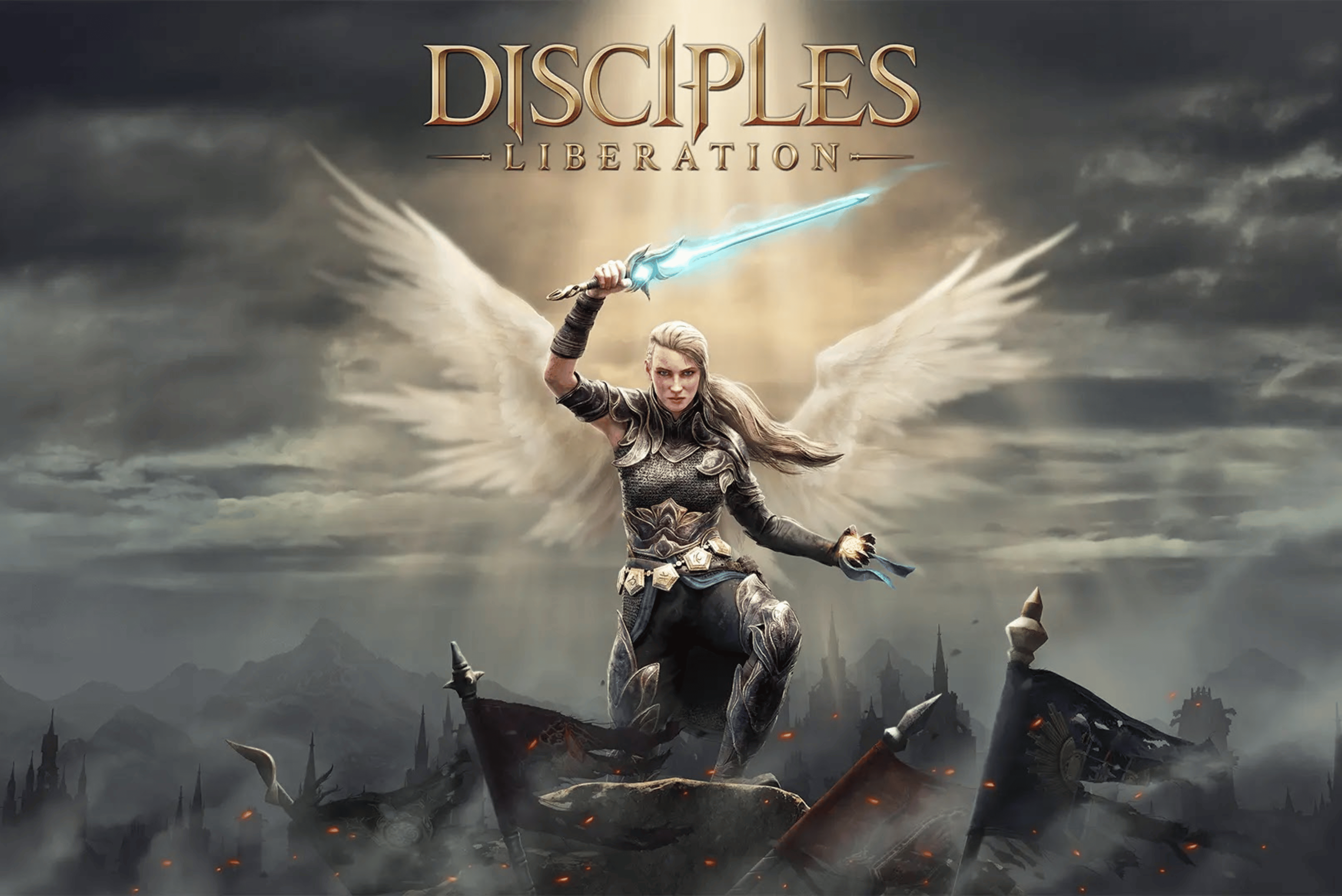
<strong>Strategy games</strong>
Strategy games require planning and resource management to defeat adversaries. Reflection and anticipation are key to gameplay mechanics based on tactics and analysis of the components and characters involved in the storyline.
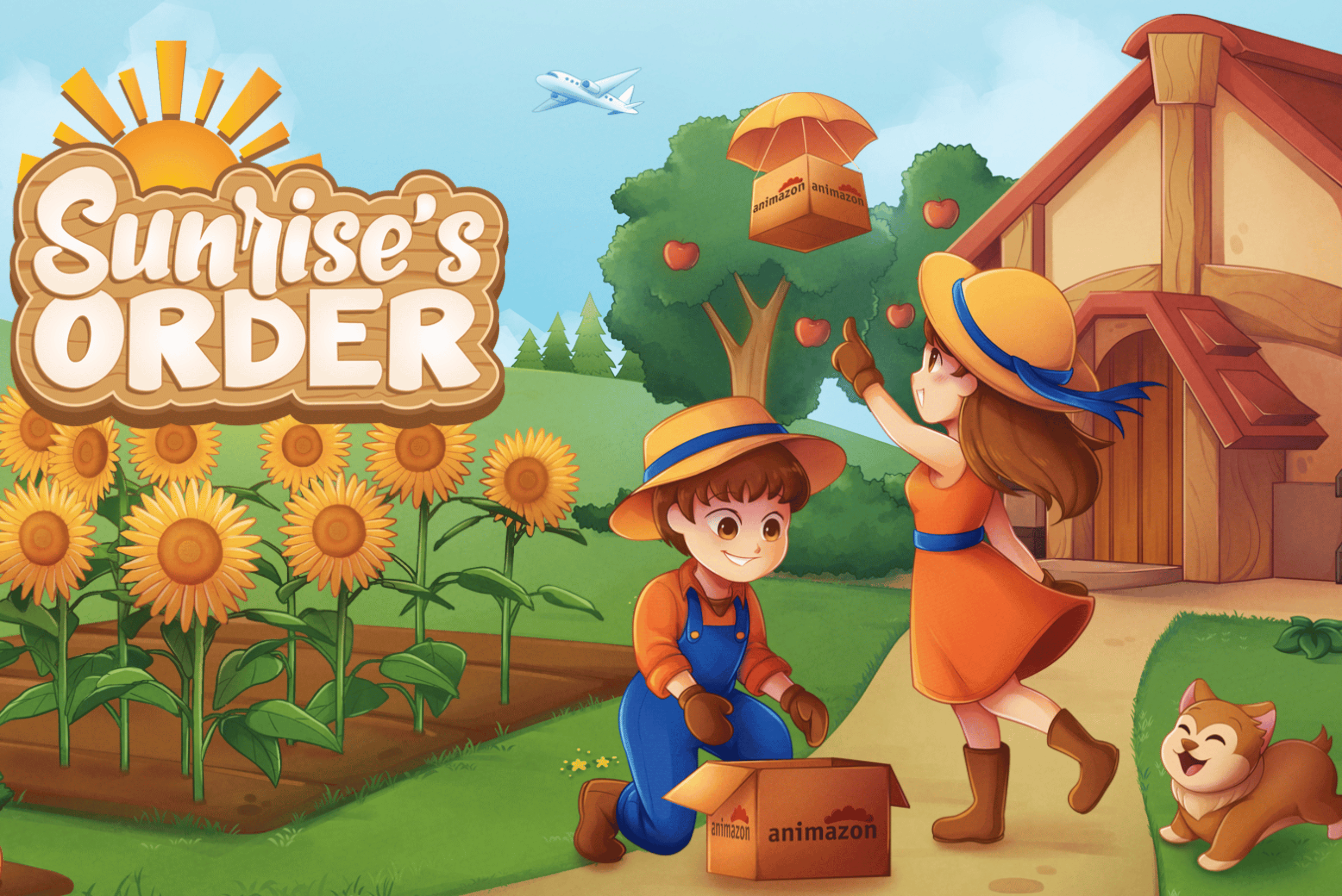
<strong>Simulation games</strong>
Simulation games offer real-life experiences or activities, ranging from business management to everyday life management. This type of game replicates specific situations that challenge players to behave appropriately at various levels of play.

<strong>Sports and racing games</strong>
Sports and racing games simulate real or fictional sports or races. They are realistic renderings of real-life activities. These games require precise control and imperceptible latency so as to achieve total immersion. For fans who are passionate about specific physical activities.

<strong>Adventure games</strong>
Adventure games focus on storytelling, history, and exploration. Players solve puzzles and interact with characters to move the story forward and pursue their quest through stimulating graphics.

<strong>Puzzle games and brain teasers</strong>
These games require logic, strategy, and problem-solving skills. Perfect for those who enjoy mental tests and intellectual stimulation, these games present challenges in graphics and text form, often with strong artistic features.
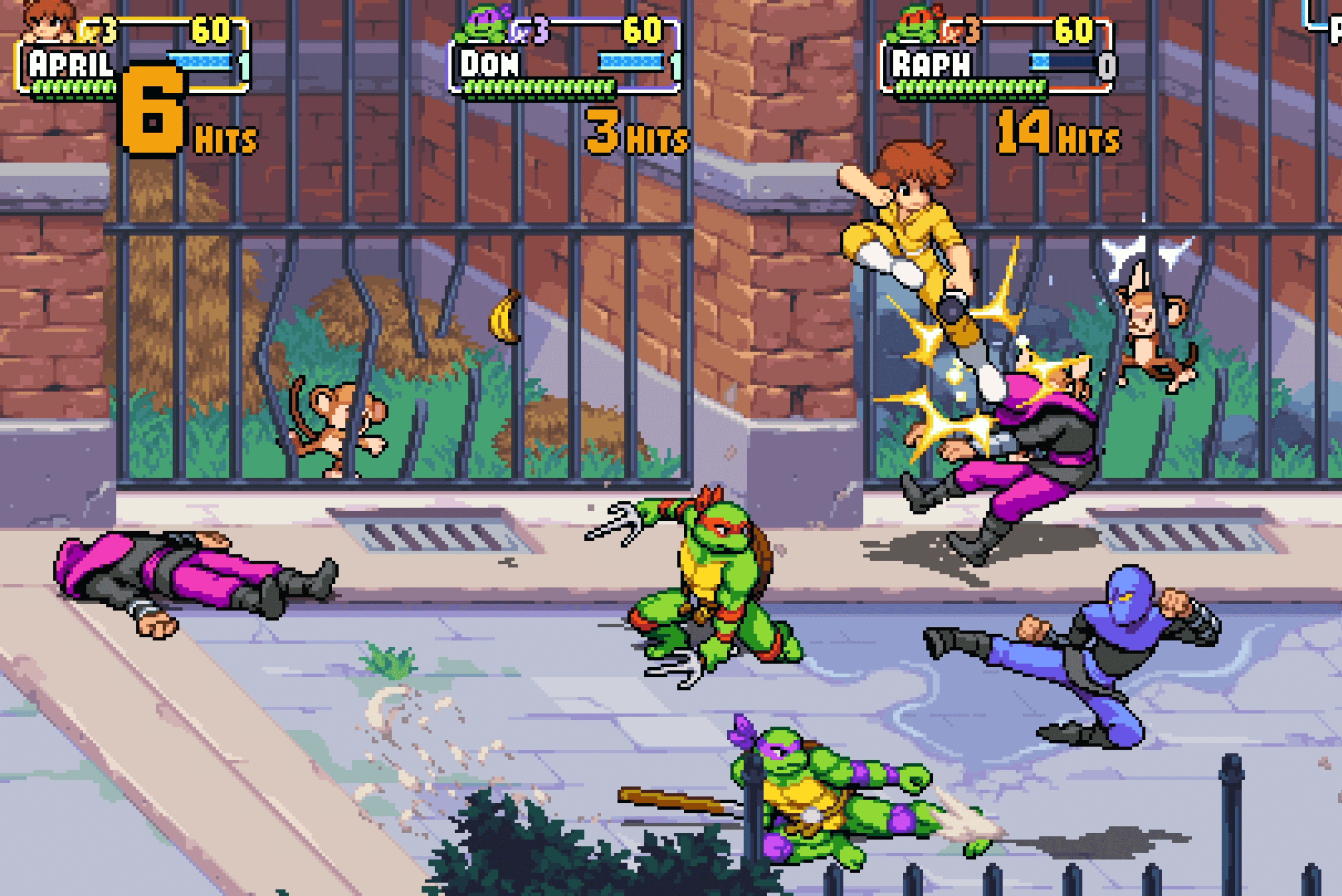
<strong>Combat games</strong>
Combat games enable players to compete in duels or tournaments, often one on one or in teams. Frequently, they feature mechanics such as blocking, wrestling, counterattacking, and the use of combos to let players develop strategies and diversify their match-ups.
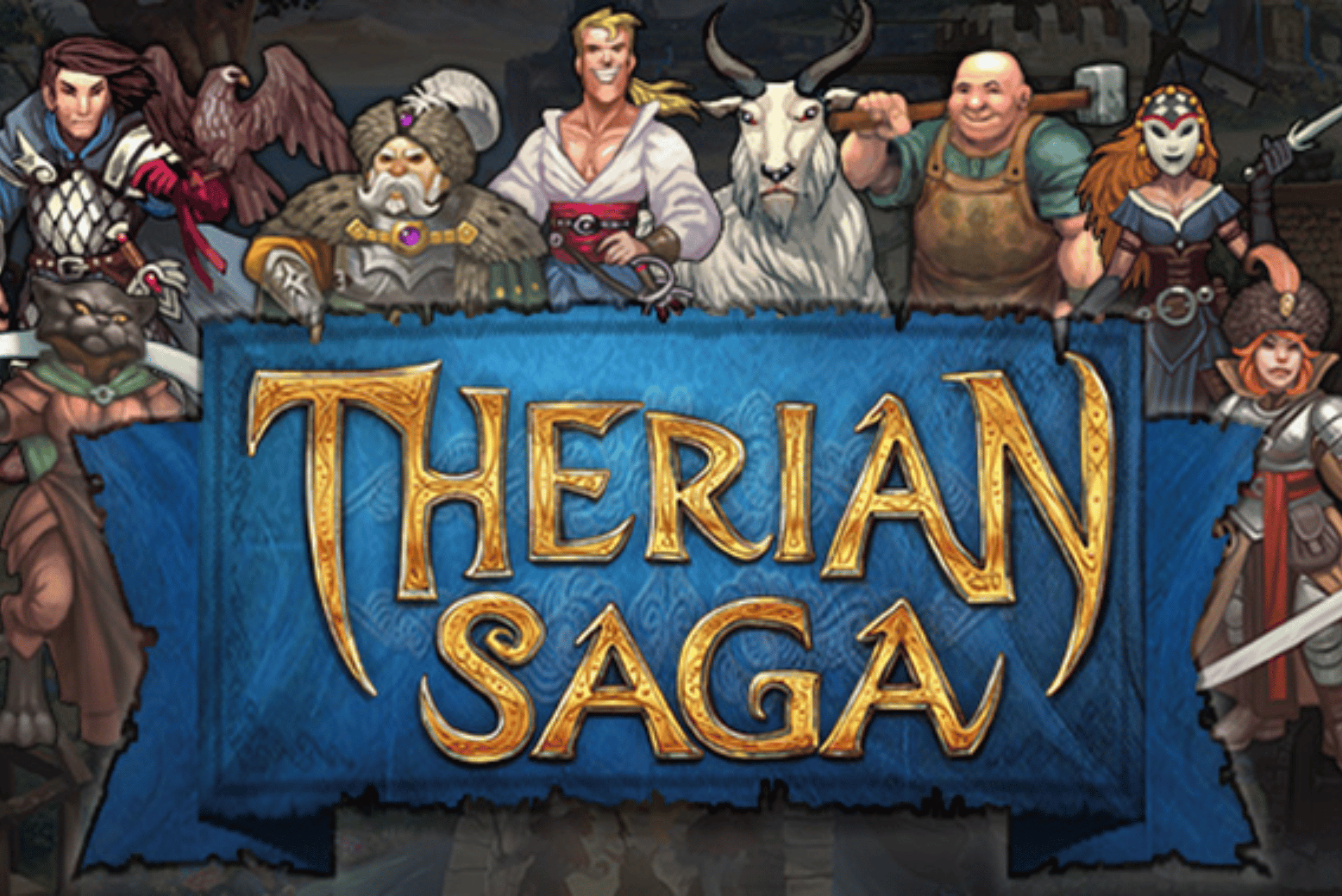
<strong>Massively multiplayer online (MMO) games</strong>
MMOs allow thousands of players to interact simultaneously in the same virtual world. They often bring together features from role-playing, strategy, and action games.
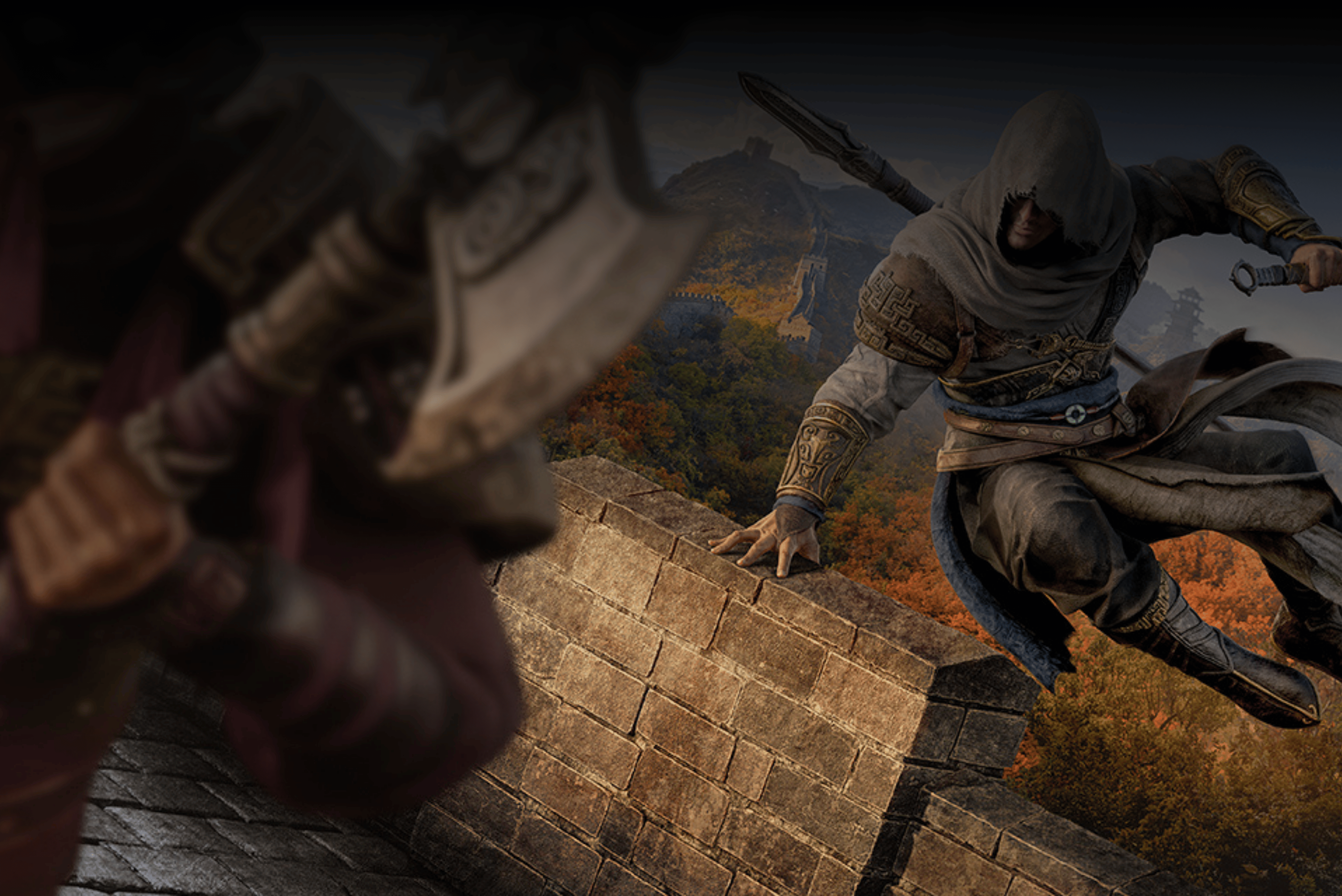
Assassin’s Creed
With more than 200 million copies sold worldwide, Assassin’s Creed is one of Ubisoft’s most iconic and profitable franchises. This game also gave rise to Ubisoft’s proprietary ANVIL game engine, which is still used today as Ubisoft’s game-rendering engine. Assassin’s Creed offers a unique take on historical intrigue and gameplay, providing freedom of exploration in rich, revolutionary open worlds.Ubisoft Montréal – since 2007
Credit: https://www.assassinscreedjade.com/
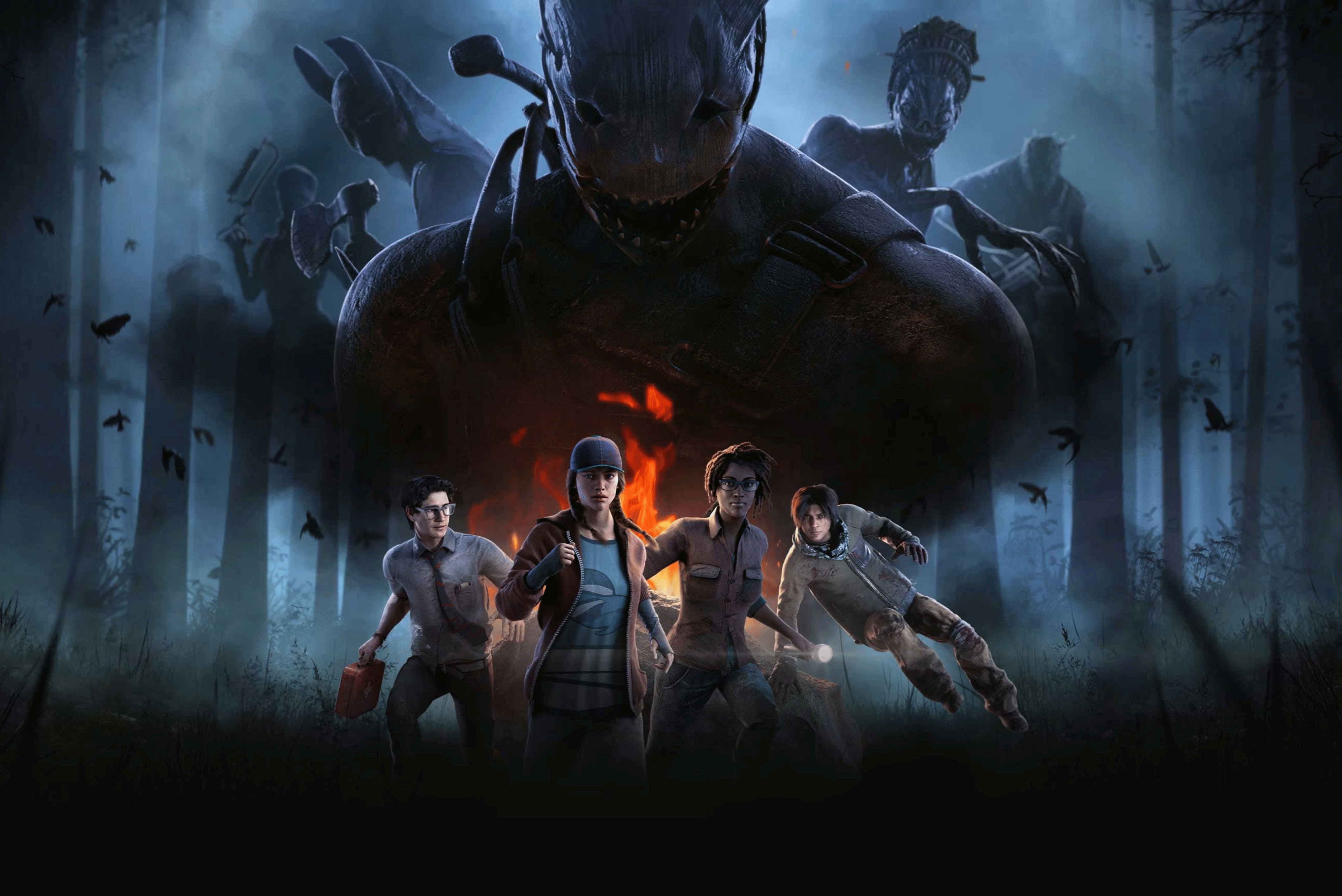
Dead by Daylight
With more than 60 million players in 2023, Dead by Daylight has redefined the asymmetrical multiplayer game genre. Thanks to collaborations with legendary horror franchises such as Stranger Things, the game can be replayed over and over again to provide an ever-changing experience.Behaviour Interactive – since 2016
Credit: https://deadbydaylight.com/

Outlast
Red Barrels, which was sold more than 40 million copies, is truly an inspiration. The success of Outlast is a striking example of the ability of small Québec studios to compete with industry giants. This psychological horror game owes its success to its narrative and sensory approach to horror, delivering a fully immersive gaming experience.Red Barrels – since 2013
Credit: https://redbarrelsgames.com/fr/jeux/outlast/









.jpg)