News
Behind the scenes
Visual effects and animation
Behind the scenes of the film FANNY
By Lili Trottier
2025-07-14
Photo credit: FANNY - Téléfiction Productions
By Lili Trottier
2025-07-14
The day she discovers that her father has hidden the existence of her mother's family from her, the teenager embarks on a quest for the truth. Her journey takes her to Sainte-Lorette, where she will make decisive encounters, including allies who will help her find answers to the mysterious circumstances surrounding her mother's death.
This ambitious project benefited from the expertise of Artifex Animation Studios Inc. (AA. Studios), a Quebec-based company renowned for its visual effects and 3D animation.
Let's take a look behind the scenes at the visual effects of the feature film FANNY with Marc Hall, visual effects supervisor and founder of AA. Studios.
“We work hand in hand with our clients. The directors who work with us continue their usual creative process, which means they have direct access to the artists and collaborate with them from start to finish.”
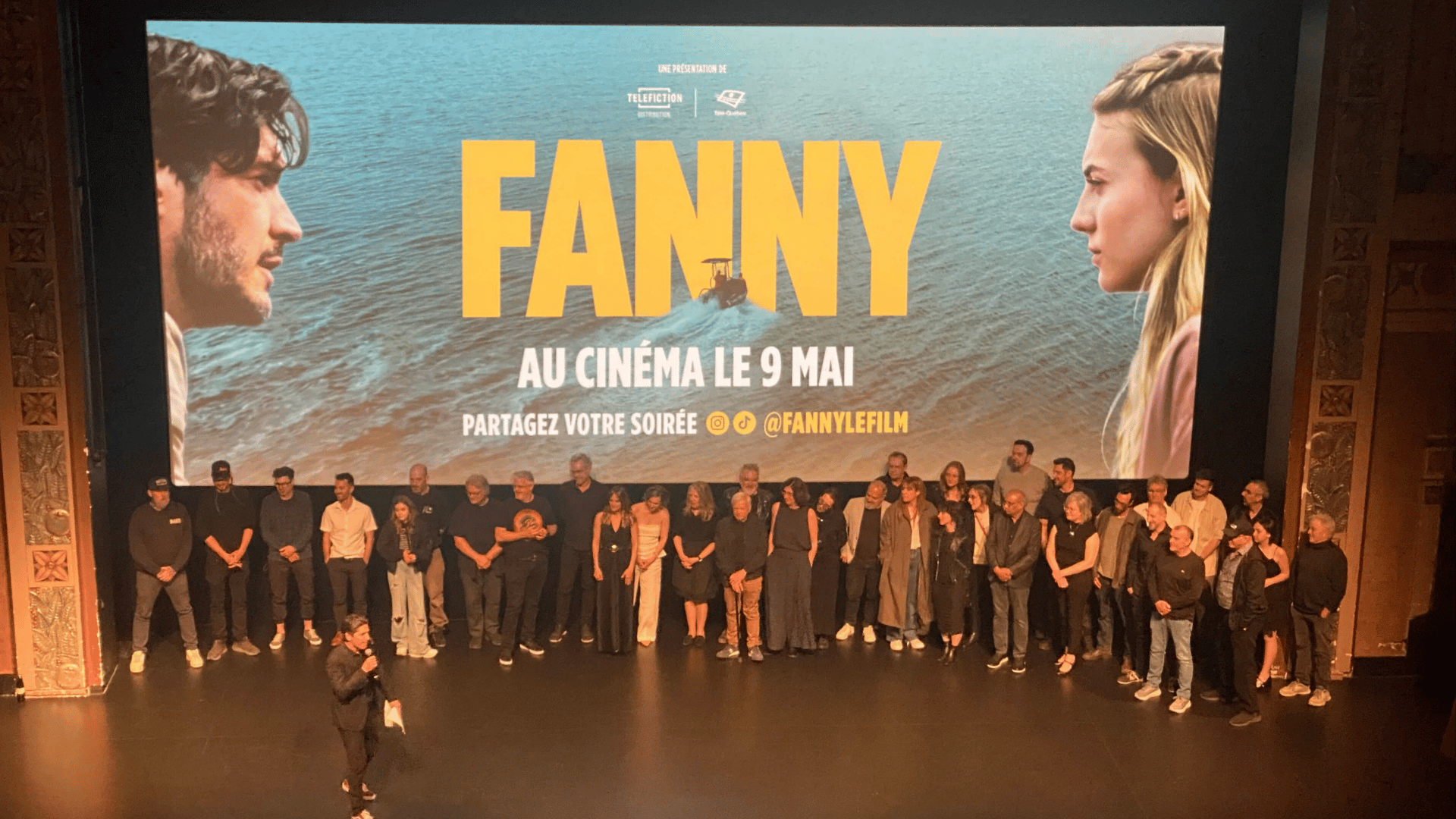 Photo credit: Marc Hall, Artifex Animation Studios Inc. (AA. Studios)
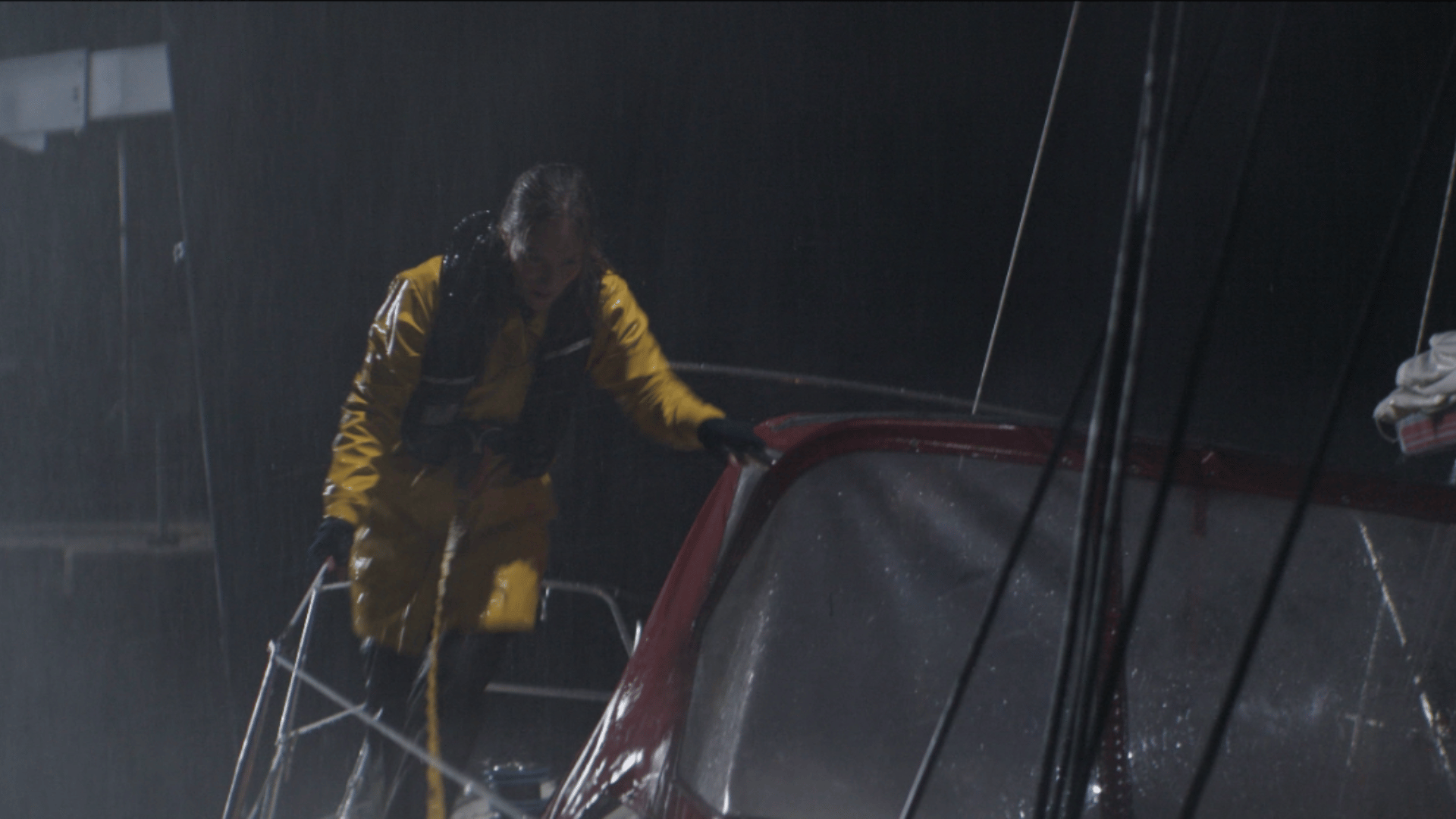 Photo credit: Marc Hall, Artifex Animation Studios Inc. (AA. Studios)
“We had several constraints, including budgetary constraints, of course, but also safety constraints, shooting time constraints, and high ambitions to produce a perfectly realistic result,” Marc Hall tells us.
First, the cinematographer and Marc Hall came up with the strategic idea of shooting the scene at night. This proposal offered a decisive advantage in terms of total control over the lighting of the scene during the two days of shooting. This approach also had the advantage of limiting what could be seen on the horizon through a shallow depth of field.
Another important decision was to avoid using a green screen:
“I didn't want a green screen either. The green color would have reflected everywhere on the sailboat”, said the visual effects supervisor.
Instead, the team opted for a simple and effective solution: surrounding the sailboat with black sheets. In addition, the natural darkness of the night made it possible to conceal the boundaries of the set without having to cover every corner.
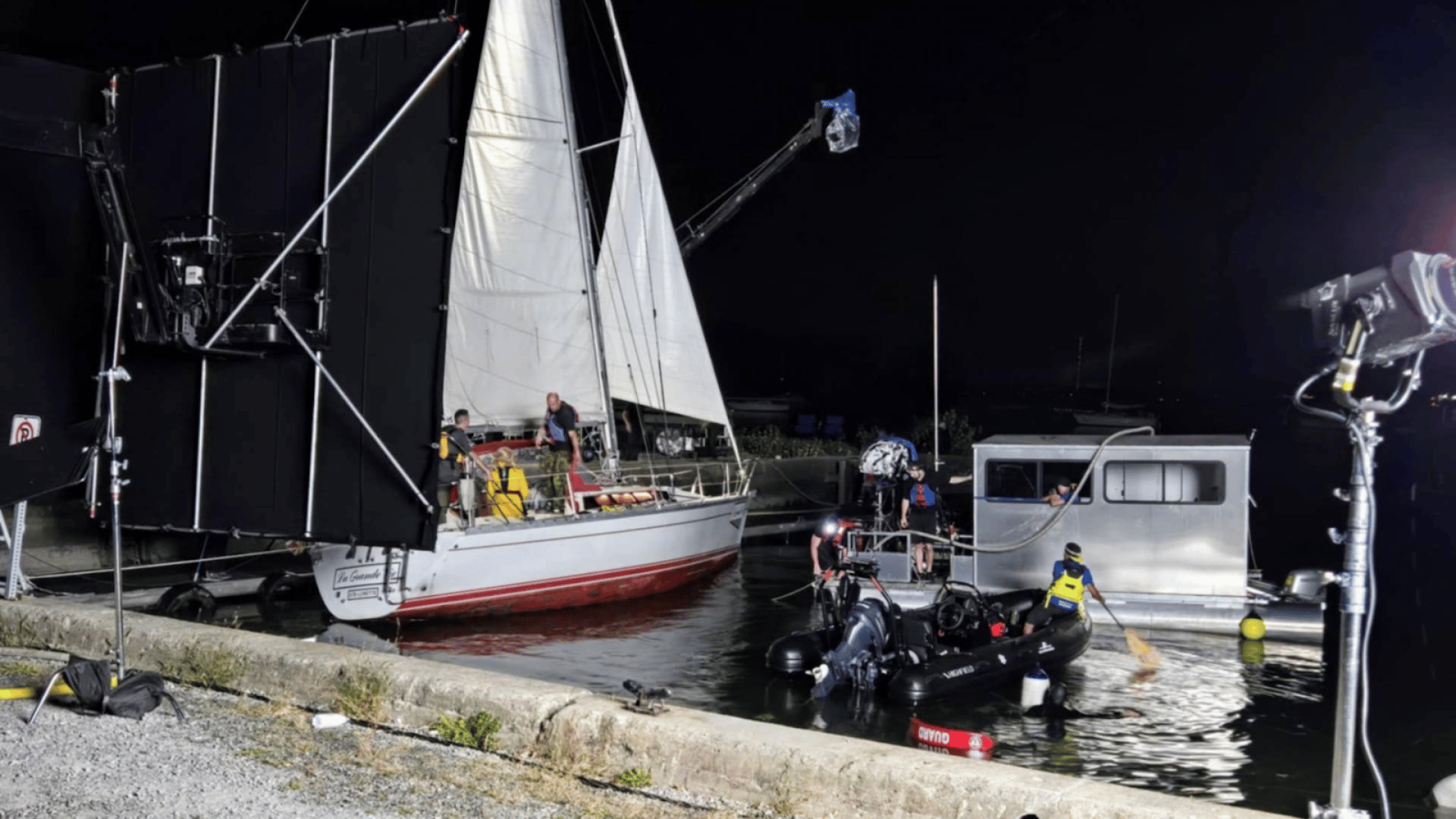 Photo credit: Le journal Saint-François
“With these constraints in mind, the location team managed to find a marina with a concrete bay that isolated the sailboat from other boats. This setup gave the team the practical effects of generating waves in a controlled space,” reports Marc Hall.
The rest of the work was done in Houdini software, with an entire month devoted to research and development. Finding the right wave speed, adjusting the movement of the water, creating the ideal texture of the white foam formed at the top of the waves, etc., each element was carefully studied to prepare for the integration of the shots.
“Even with all the preparation, creating realistic water is a long and arduous task. Fortunately, we were lucky to have a director who knew how to evaluate the work in progress, saving us from having to present him with a perfect integration every time. Often, the software's preview of the water, composed of blue grains, was enough to identify the action and make the necessary adjustments with the director.”
In 45 days, AA. Studios delivered more than 2 minutes of strikingly realistic aquatic visual effects. A real feat in a field where a single visual effects shot rarely exceeds a few seconds.
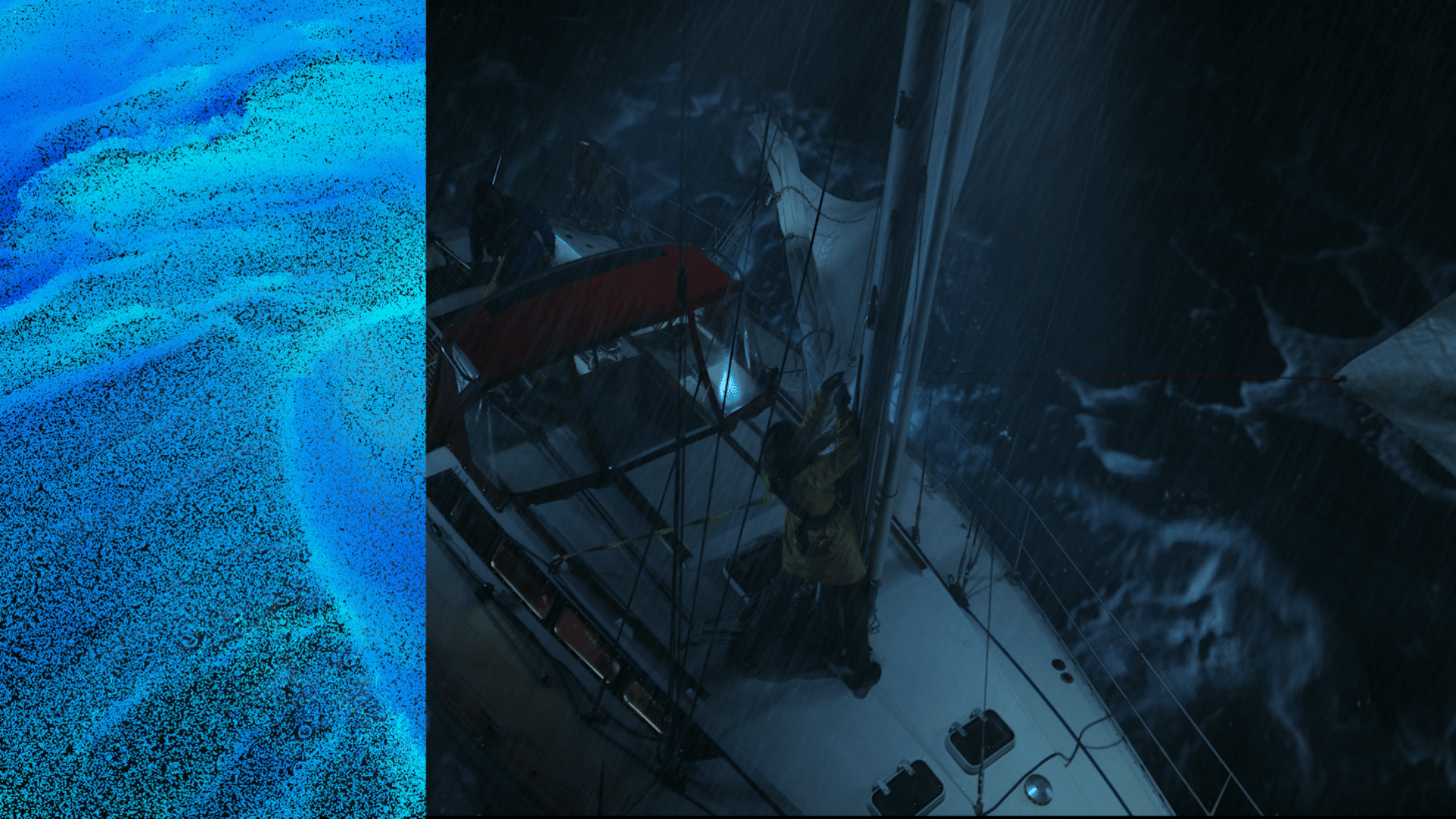 Photo credit: Marc Hall, Artifex Animation Studios Inc. (AA. Studios)
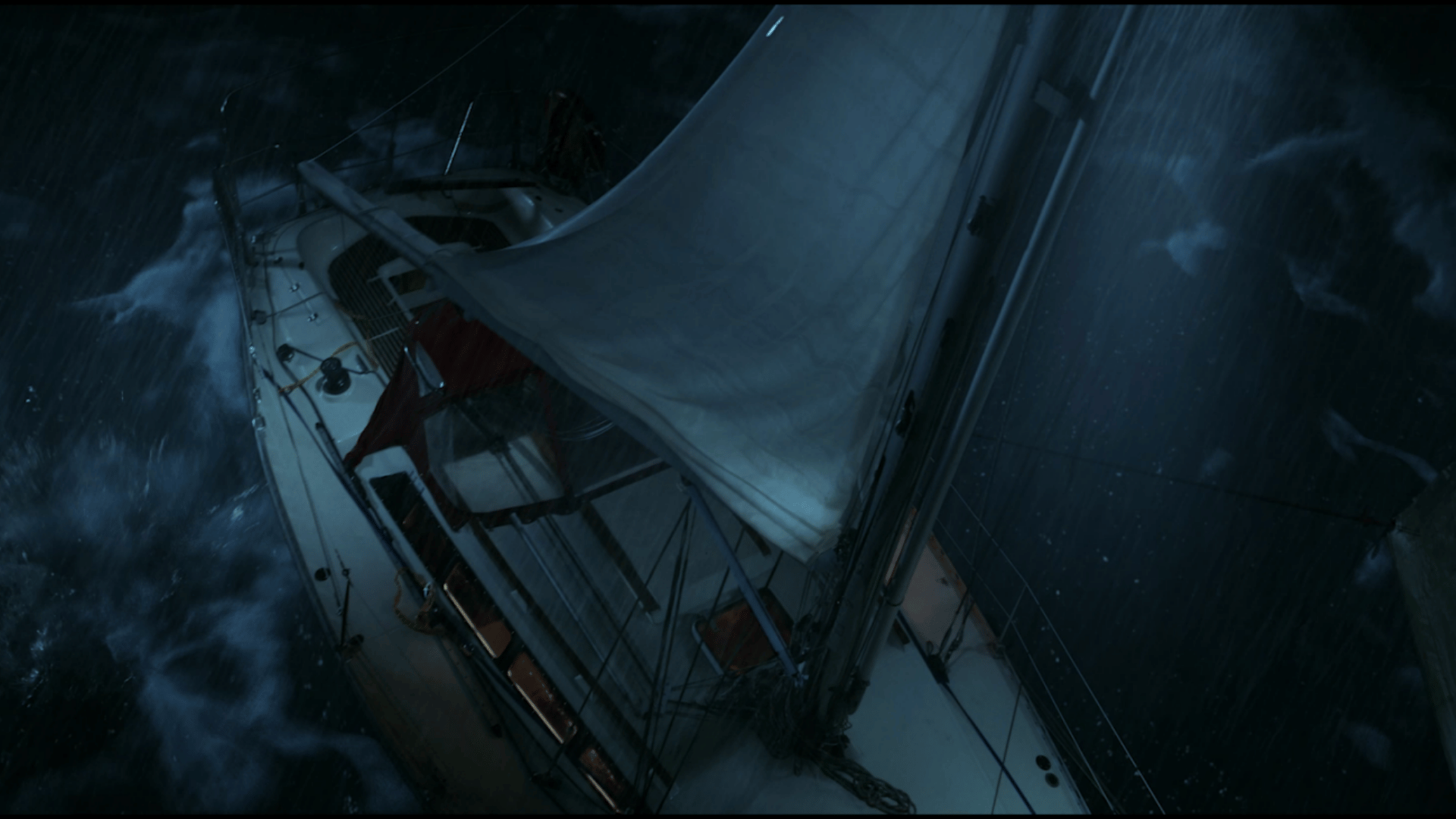 Photo credit: Marc Hall, Artifex Animation Studios Inc. (AA. Studios)
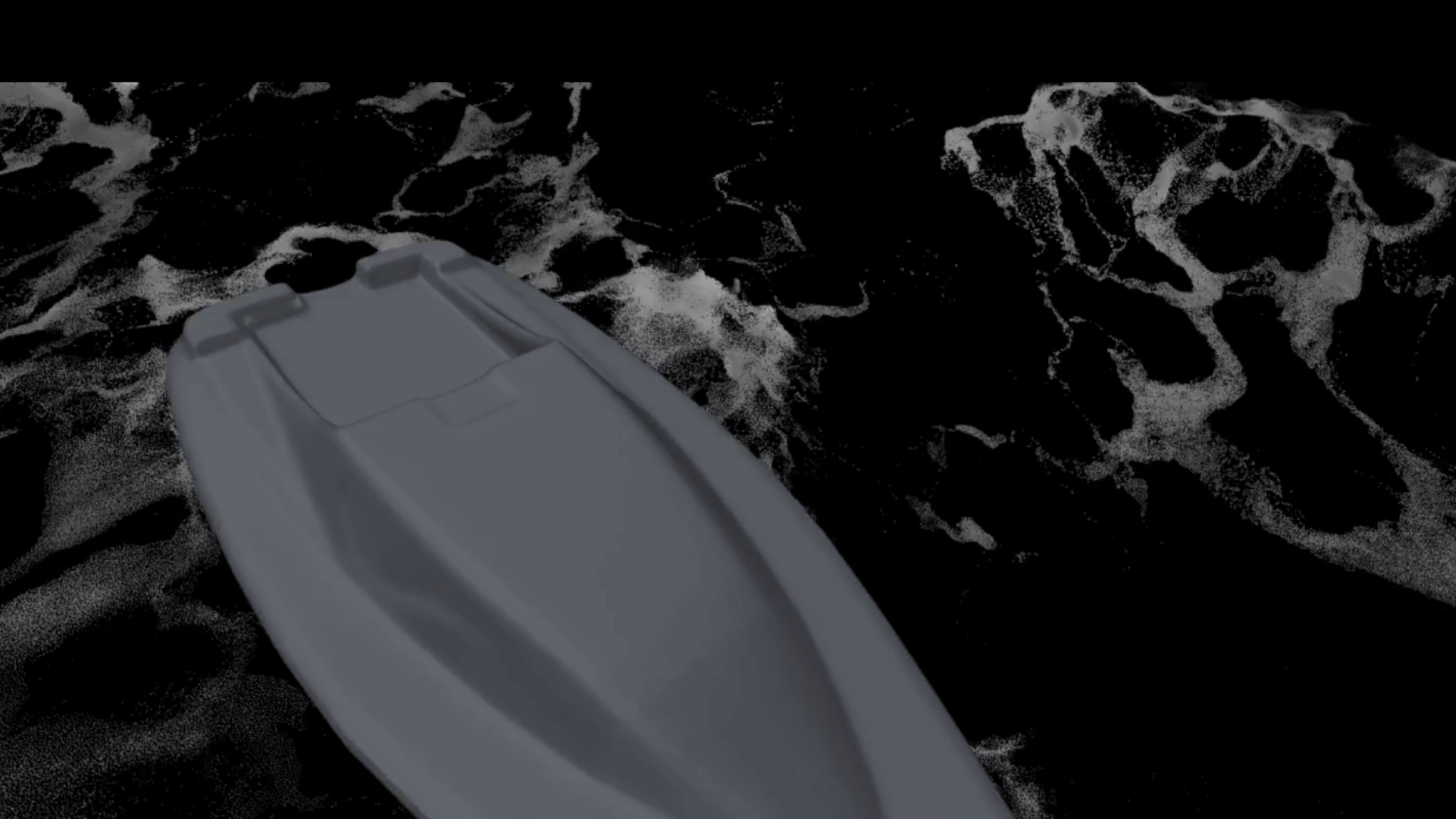 Photo credit: Marc Hall, Artifex Animation Studios Inc. (AA. Studios)
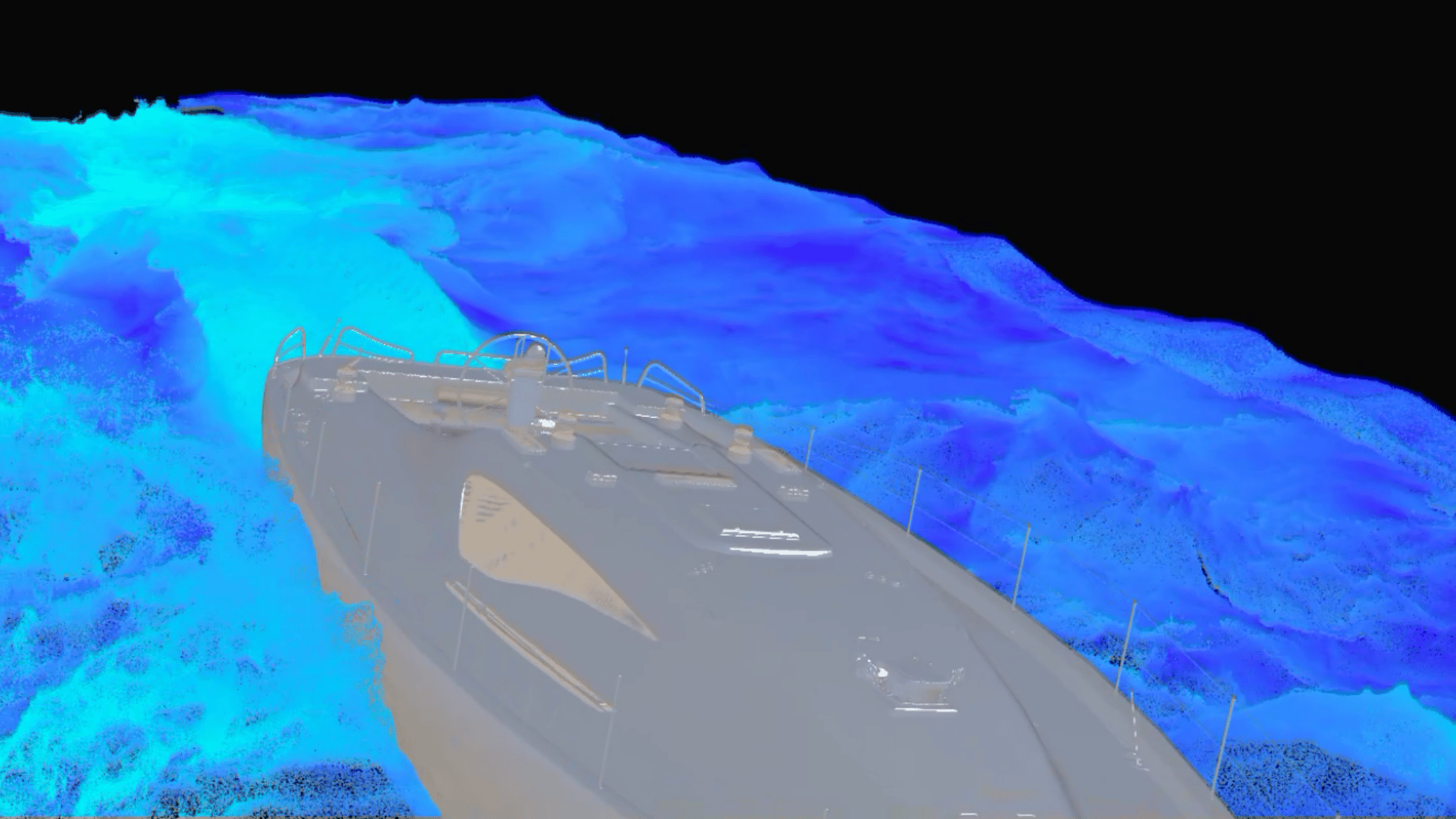 Photo credit: Marc Hall, Artifex Animation Studios Inc. (AA. Studios)
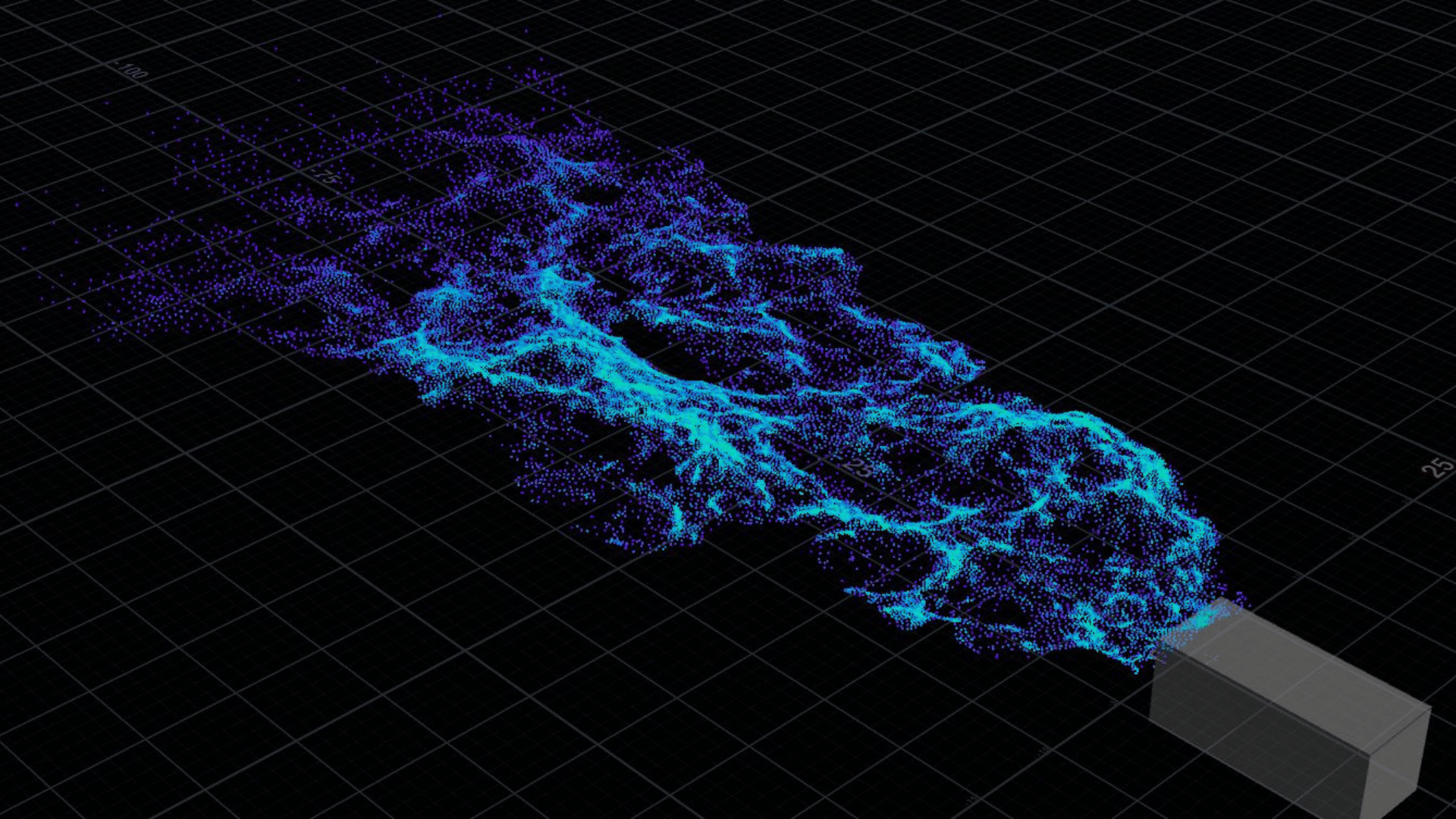 Photo credit: Marc Hall, Artifex Animation Studios Inc. (AA. Studios)
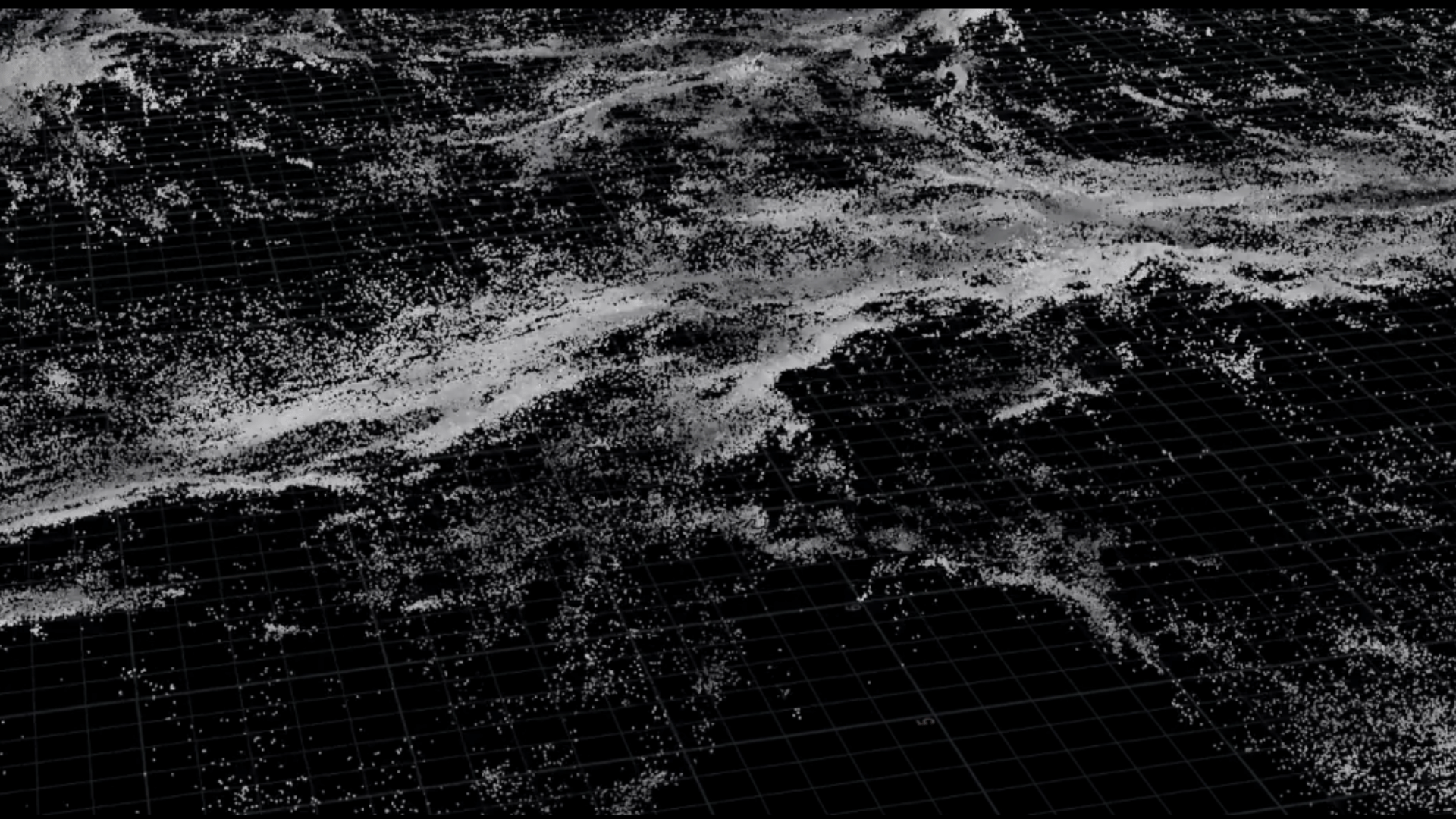 Photo credit: Marc Hall, Artifex Animation Studios Inc. (AA. Studios)
Working on a project like FANNY requires much more than just software skills. Among the key skills identified by the visual effects supervisor are:
The need for a keen artistic eye, essential for accurately reproducing nature and its details;
Advanced technical expertise to be able to master tools such as Houdini and create scripts to speed up production;
In-depth knowledge of the 3D pipeline to manage all stages of a visual effect from start to finish.
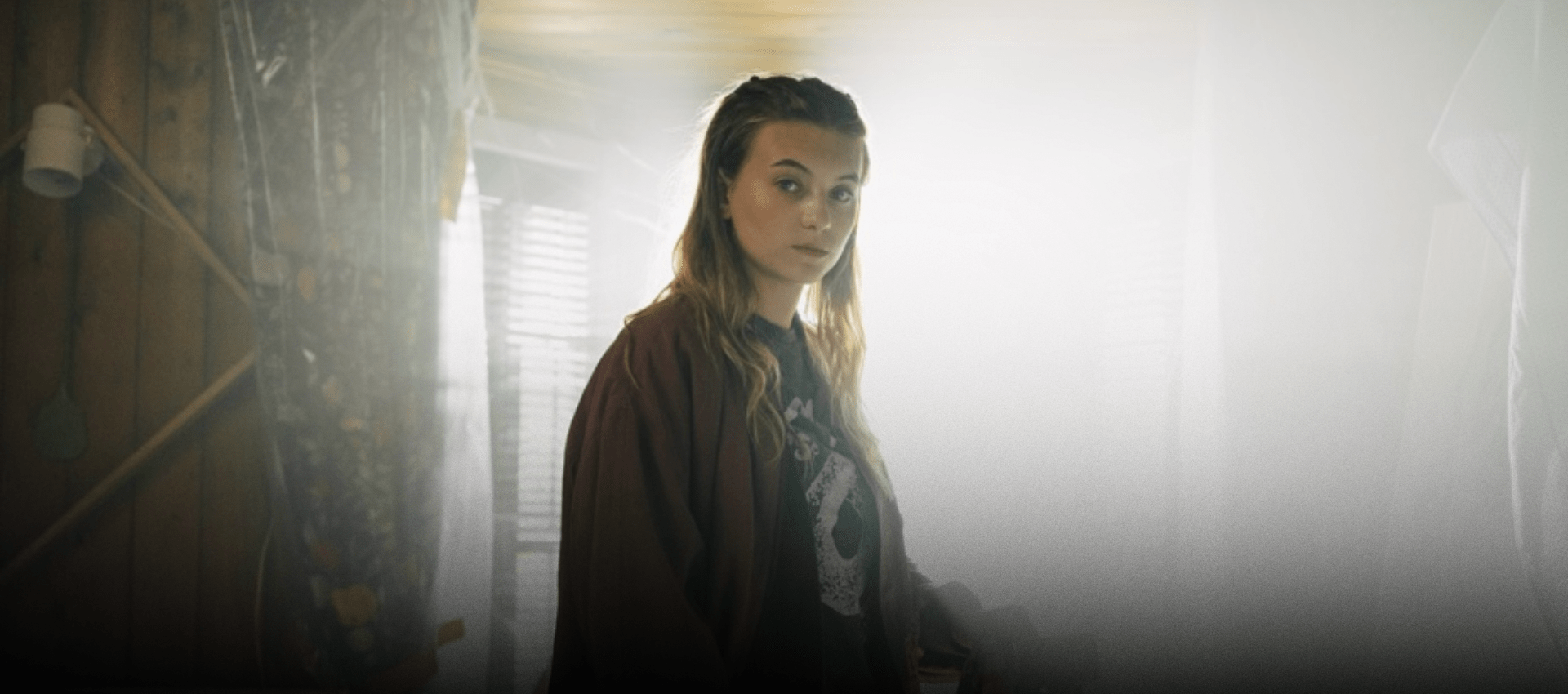
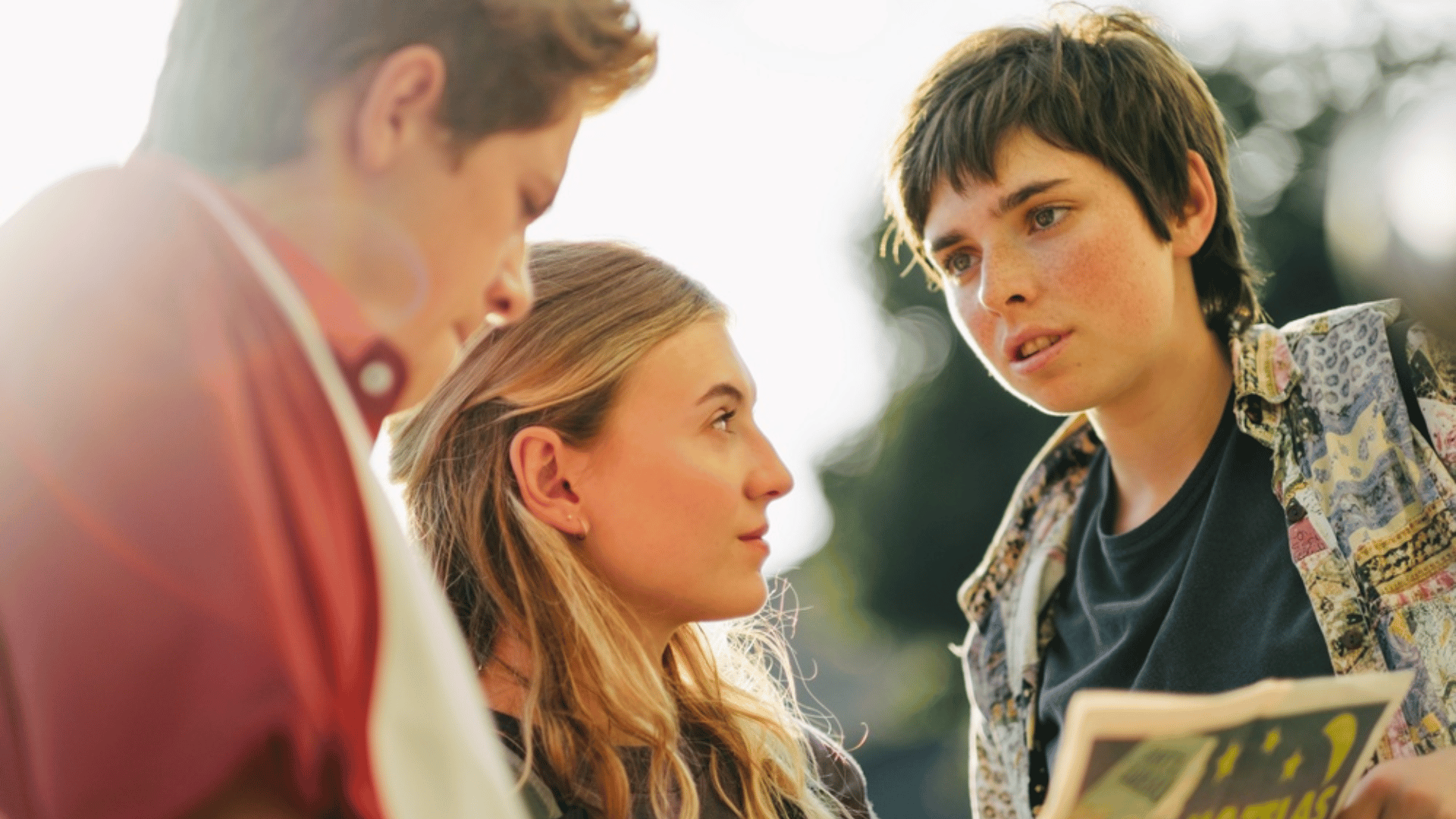 Photo credit: IMAGE FROM THE MOVIE FANNY, starring Léokim Beaumier-Lépine, Milya Corbeil Gauvreau, and Adelaïde Schoofs
“Job opportunities are becoming increasingly difficult to find in VFX. There are now a lot of people looking for work, and honestly, too many graduates for the actual demand. But funny enough, it takes me back to when I was starting out. A time when there wasn't much demand, so the competition was just as fierce,” says Marc Hall.
To achieve this, there are two complementary paths. On the technical side, it's not just a matter of mastering software like Houdini:
“You don't just need to know how to use the software, you also need to know how to create scripts and tools that speed up the work.”
On the artistic side, it's essential to cultivate skills that go beyond digital tools:
“I'm thinking of photography or video. Knowing how to frame an image, use lighting to highlight things, or even composition to tell a story. All of this relates directly to 3D animation and visual effects work.”
And finally, some fundamental advice:
“You have to put your ego aside. The work is meant to be criticized and will be ardently and constantly criticized. You have to get used to it right away, and even embrace it.”
Sign up for the free online training course Houdini 20.0 – FLIP Oceans and Fluids Specialization presented by Vincent Fortin with the NAD-UQAC School on the EXPERTS platform, powered by SYNTHÈSE.
Initially convinced that he wanted to go into the automotive industry, he enrolled in mechanical engineering. However, a traffic accident disrupted his plans and Marc missed the start of the semester, leading him to temporarily switch to industrial design.
It was during an AutoCAD class that a classmate introduced him to Kinetix 3ds DOS, a software program that would later become the famous Autodesk 3D Studio Max. The revelation was immediate. Fascinated, he dove headfirst into the world of 3D.
This discovery changed the course of his life. Marc Hall enrolled at I.C.A.R.I, a private school in Quebec specializing in animation and visual effects, where he completed an intensive 10-month program. He devoted 12 to 14 hours a day, sometimes more, to his studies, and his determination was rewarded with outstanding grades that quickly opened the doors to the job market.
In 1999, he landed a job at Fly Studio, where he brought photorealistic objects to life. At the same time, he took on more and more freelance work, often working more than 80 hours a week. He gained experience at a rapid pace and constantly enriched his portfolio.
His career continued at Digital Dimension, where he rose through the ranks to become CG supervisor. Among his most notable projects was J.J. Abrams' series LOST, for which his work earned him an Emmy Award.
At the end of 2005, he went freelance full-time. He traveled, helped studios get organized, and, in response to demand, gradually assembled a team. In June 2006, this adventure took a new turn: he officially launched AA. Studios.